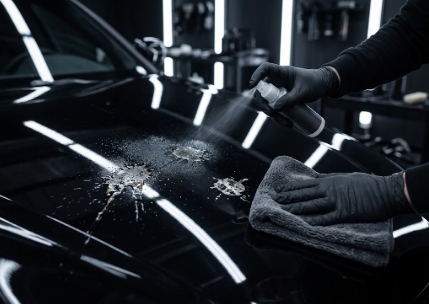
Have you ever looked at your car under direct sunlight and noticed web-like scratches, dull patches, or a hazy film covering what used to be a brilliant, mirror-like finish? Over time, even meticulous vehicle owners notice their factory paint losing its depth and luster. Automatic car washes, harsh winter road salts, improper drying towels, and environmental pollutants constantly degrade your clear coat.
When looking to restore that showroom shine, auto detailing paint correction is the gold standard solution. But what is paint correction, how does it work, and does your vehicle actually need it? Here is a comprehensive guide to understanding paint restoration, its stages, cost factors, and why it is an essential step in vehicle preservation.
What is Paint Correction?
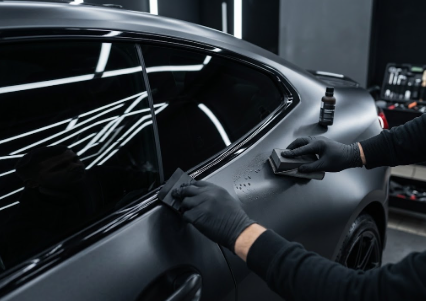
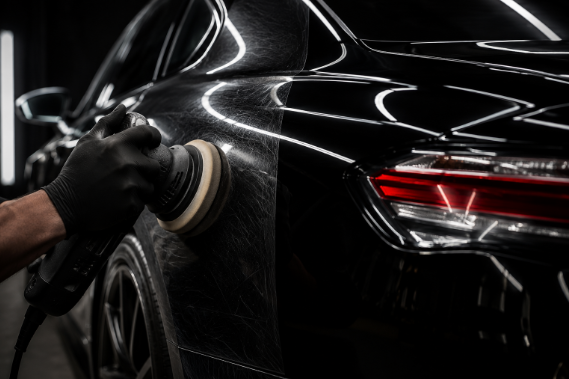
At its core, paint correction is the mechanical process of leveling a vehicle’s clear coat to remove surface imperfections. Unlike waxes or cheap glazes that temporarily fill or mask scratches, paint correction permanently eliminates defects by removing microscopic layers of damaged clear coat using specialized rotary or dual-action polishers, abrasive compounds, and microfiber or foam pads.
Modern automotive paint consists of three main layers: the primer, the base color coat, and the top clear coat. Paint correction works strictly within the clear coat layer, leveling the surrounding area until scratches, swirl marks, and etchings disappear, leaving behind an optically clear, light-reflecting surface.
Car Buffing vs. Polishing: What’s the Difference?
The terms "buffing" and "polishing" are often used interchangeably, leading to confusion among vehicle owners. Understanding car buffing vs polishing helps clarify the restoration process:
- Car Buffing: Traditionally refers to using heavy rotary machines and aggressive cutting compounds to cut down deep scratches, severe oxidation, and heavy clear coat defects. It is an aggressive, heavy-duty stage of surface restoration.
- Car Polishing: Refers to using finer abrasive polishes and softer foam pads to smooth out micro-marring left by heavy cutting, refine the finish, and bring out maximum gloss, clarity, and reflection.
In professional paint correction, buffing and polishing work hand-in-hand to achieve a flawless, mirror-like finish.
Common Defects Paint Correction Fixes
A professional restoration addresses a wide variety of paint flaws that cause your finish to look aged:
- Swirl Marks & Spiderwebbing: Circular micro-scratches caused by improper washing techniques, automatic car washes, and dirty drying towels. Professional correction allows technicians to completely remove swirl marks.
- Oxidation & Cloudiness: UV exposure and environmental contamination break down the clear coat, causing paint to look dull or faded. Correction helps fix cloudy car paint and restores original color depth.
- Etchings & Stains: Acidic bird droppings, bug splatter, and acid rain leave permanent chemical burns in the clear coat if not corrected promptly.
- Isolated Scratches: Surface-level scratches from bushes, rings, or light contact that have not penetrated through the clear coat into the primer.
- Holographic Buffer Trails: Hazy, 3D-like trail marks left behind by inexperienced operators using rotary buffers improperly.
If you are looking for specialized scratch removal chicago technicians who can eliminate these defects safely, professional paint correction is the ultimate solution.
The Stages: From Single-Stage to Multi-Stage Paint Correction
Paint correction is not a one-size-fits-all service. The condition of your vehicle’s clear coat determines whether it needs a quick refinement or a multi stage paint correction:
1. Single-Stage Paint Correction
- Process: Uses a one-step polish and pad combination designed to cut and polish simultaneously.
- Defect Removal: Eliminates roughly 50% to 70% of light swirl marks and haze.
- Best For: Newer cars with light wash marks, daily drivers needing a gloss boost, or vehicles undergoing basic maintenance detailing.
2. Two-Stage Paint Correction
- Process: A heavy cutting compound is used first to level moderate-to-severe scratches and swirls, followed by a fine finishing polish to restore high gloss and remove compounding haze.
- Defect Removal: Eliminates 80% to 90%+ of paint defects.
- Best For: Vehicles with noticeable swirl marks, dullness, or deeper clear coat scratches.
3. Three-Stage (Multi-Stage) Paint Correction
- Process: Involves wet sanding or heavy compounding, followed by a medium cutting stage, and completed with an ultra-fine jewelers polish finish.
- Defect Removal: Achieves near-100% perfection.
- Best For: Exotic supercars, classic restorations, show cars, or heavily oxidized vehicle surfaces.
Why Paint Correction Before Ceramic Coating is Essential
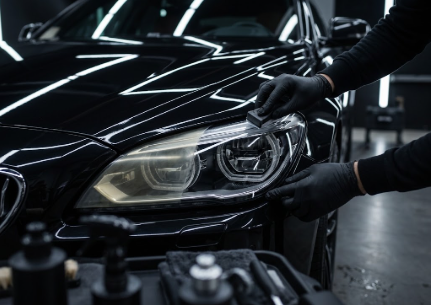
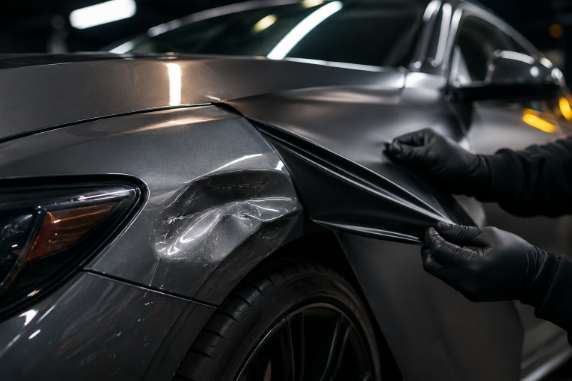
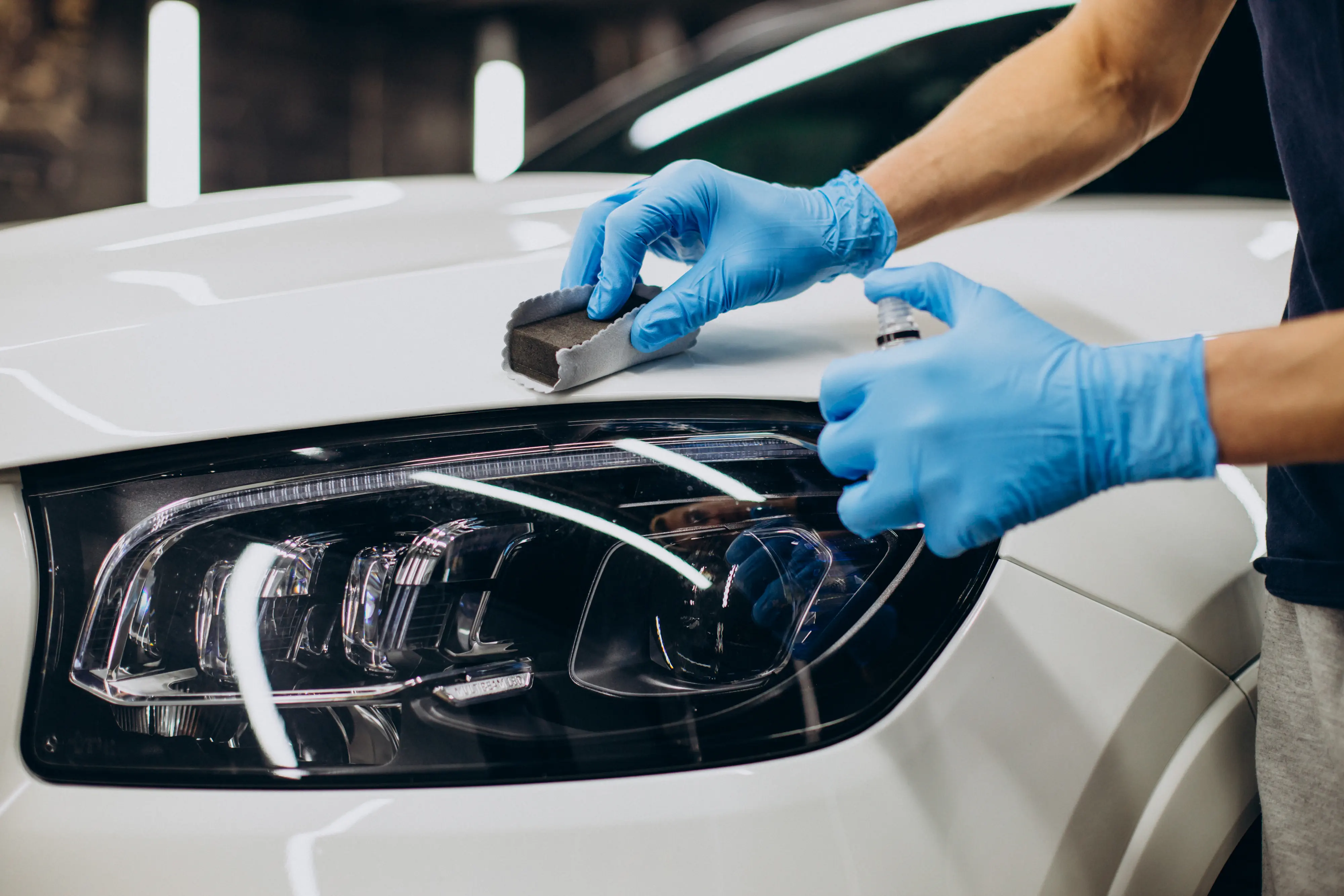
One of the most critical rules in auto detailing is performing paint correction before ceramic coating or PPF installation.
Ceramic coatings act as a permanent glass layer that seals in whatever surface condition lies beneath. If a ceramic coating is applied directly over swirl marks, scratches, or cloudy paint, those defects will be locked in under an impenetrable layer for years. Proper paint correction ensures the paint is completely flat, defect-free, and deep before applying protective coatings.
Understanding Auto Paint Correction Cost
When researching the auto paint correction cost, it helps to understand that pricing is driven primarily by labor, skill, and time. Correcting paint properly requires hours of meticulous machine work by trained technicians.
Key factors that influence pricing include:
- Paint Condition: Heavy oxidation and deep swirls require multi-stage correction, increasing labor hours.
- Vehicle Size: Larger SUVs and trucks require significantly more surface area polishing than compact sports cars.
- Paint Hardness: Certain vehicle manufacturers use extremely hard clear coats (requiring aggressive compounding) or soft clear coats (requiring delicate polishing techniques).
While paint correction represents a higher initial investment than a quick wax, it permanently restores your clear coat rather than masking defects.
Does Your Car Need Paint Correction?
Deciding whether your vehicle needs paint correction comes down to your personal standards and vehicle goals:
Your car NEEDS paint correction if: You see swirl marks under direct sunlight, your paint looks cloudy or dull, you plan to apply a ceramic coating or PPF, or you are restoring a classic or luxury vehicle.
You might skip paint correction if: Your vehicle is an older daily commuter with severe clear coat peeling, or you are completely satisfied with a standard wash and wax routine.
For drivers searching for premium paint correction chicago services, investing in professional correction is the single most effective way to eliminate imperfections, enhance gloss, and protect your vehicle's long-term value.