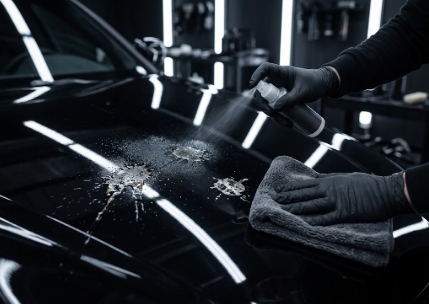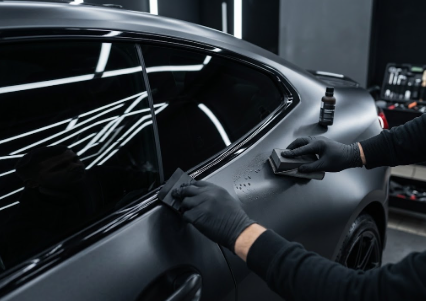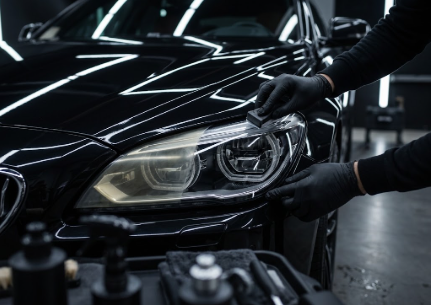
Whether you want to revive a faded exterior, transform your vehicle with a head-turning finish, or personalize your ride with a unique aesthetic, changing your car’s color is one of the most impactful upgrades you can make. Historically, repainting was the only way to achieve a new look. Today, modern vinyl technology offers an innovative, highly flexible alternative.
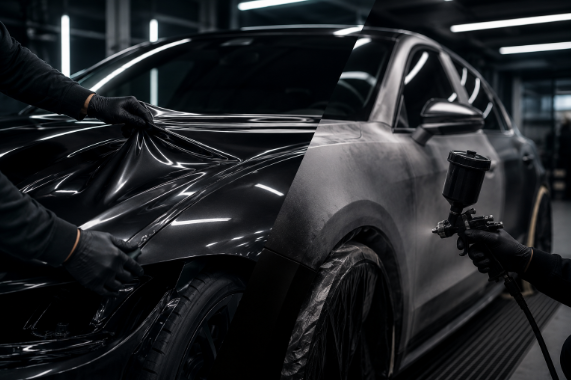
When weighing your customization options, comparing a vinyl wrap vs paint is a crucial first step. From getting a full color change wrap to choosing a high-end custom paint job, understanding the differences in cost, durability, maintenance, and reversibility will help you make the best choice for your vehicle.
What is Vinyl Wrapping?
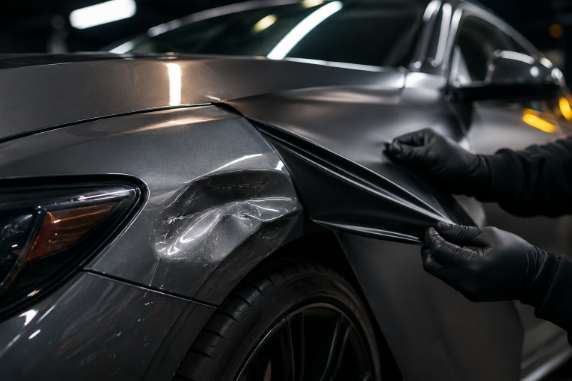
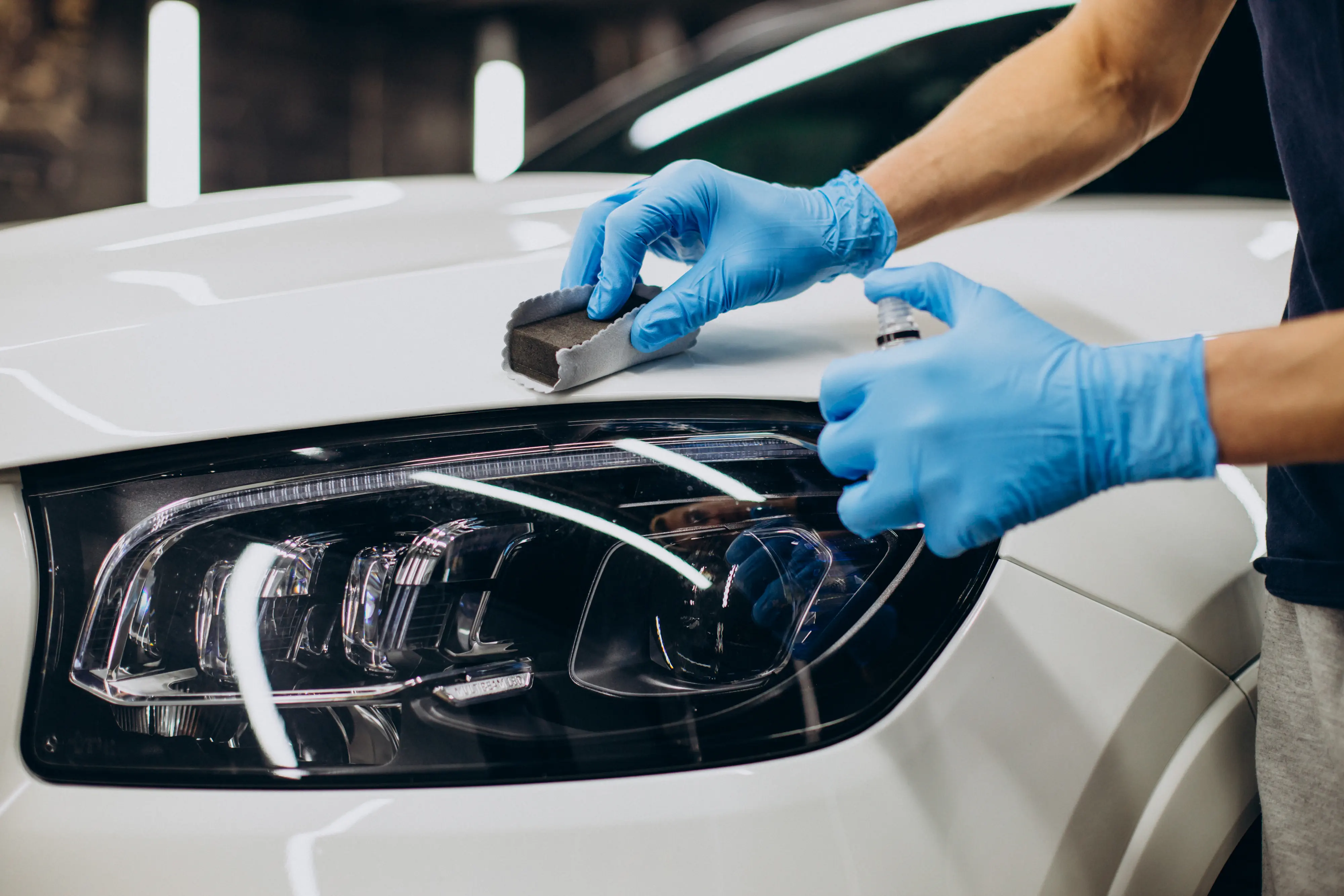
The process of wrapping a car involves meticulously applying a high-grade, heavy-duty vinyl film over your vehicle’s existing factory paint. Premium cast vinyl acts like a second skin, conforming seamlessly to complex curves, panel gaps, and body contours.
One of the biggest advantages of vinyl is design freedom. Whether you are looking for a subtle satin transformation, a bold gloss, or a signature matte black car wrap, vinyl allows for finishes that are either extremely difficult or cost-prohibitive to achieve with traditional automotive paint. Furthermore, custom car wraps can incorporate printed graphics, accents, or textured finishes like carbon fiber and brushed metal.
Wrap vs. Paint: Pros and Cons
To help you decide which method suits your goals, here is a breakdown of the key wrap vs paint pros and cons:
Vinyl Wrap Pros
- 100% Reversible: Vinyl protects the underlying factory paint and can be removed at any time without damaging the OEM finish.
- Endless Design Variety: Offers hundreds of colors, textures, and finishes, including metallic, chrome, satin, and matte options.
- Faster Turnaround: A full wrap installation typically takes 3 to 5 days, compared to weeks for a quality repaint.
- Preserves Vehicle Value: Preserving the original factory paint helps maintain higher resale value down the road.
Vinyl Wrap Cons
- Requires Good Base Paint: Vinyl cannot conceal deep rust, heavy scratches, or flaking clear coat; underlying defects must be repaired beforehand.
- Lifespan Limits: Vinyl is durable, but it does not last as long as a premium multi-layer paint job.
Repaint Pros
- Permanent Solution: A high-quality, professional paint job can last the lifetime of the vehicle if properly maintained.
- Fixes Deep Body Damage: Painting allows technicians to repair severe dents, rust, and gouges as part of the bodywork process.
Repaint Cons
- High Cost & Time: A show-quality repaint requires extensive disassembly, sanding, priming, and curing, often taking weeks and costing significantly more.
- Decreased Resale Value: Repainting a vehicle in a non-factory color can reduce its market appeal and trade-in value.
How Long Do Car Wraps Last?
A primary concern for vehicle owners considering vinyl is longevity. A common question owners ask is: how long do car wraps last?
Under normal driving conditions and with proper maintenance, a professionally installed premium vinyl wrap lasts between 3 to 7 years. Factors that influence wrap longevity include:
- Film Quality: Top-tier automotive vinyl films offer superior UV resistance and durability against sun fading.
- Sun & Weather Exposure: Vehicles parked in garages away from constant direct sunlight and severe winter conditions will retain their wrap quality longer.
- Maintenance Habits: Regular hand washing with wrap-safe shampoos prevents dirt buildup and road grime from degrading the film.
Understanding the Cost to Wrap a Car vs. Repainting
Evaluating the cost to wrap a car versus repainting reveals a significant difference in overall value:
- Vinyl Wrap Cost: Wrapping costs depend on vehicle size, paint condition, film type (e.g., specialty finishes vs. standard color change), and panel complexity. A full professional wrap typically costs a fraction of a high-end, factory-level repaint while delivering comparable or superior visual impact.
- Repaint Cost: While cheap, low-quality paint jobs exist, they often peel, fade, or show overspray within a short time. A professional, high-grade repaint that matches factory quality requires immense labor and can easily cost double or triple the price of a vinyl wrap.
Finding Professional Installation
Whether you want a temporary styling change or a bold new identity for your car, professional application is key to achieving a flawless, bubble-free result.
If you are searching for a certified auto wrap near me or looking for top-tier car wrap chicago specialists, choose a shop with clean, climate-controlled installation bays and experienced technicians. Expert installers meticulously prepare the surface, trim edges cleanly, and tuck vinyl into panel seams to deliver a seamless finish that looks indistinguishable from paint.
The Verdict: Which One Should You Choose?
Deciding between vinyl wrapping and repainting comes down to your ultimate goals:
Choose a Vinyl Wrap if: You want a striking new color or finish (like matte or satin), prefer to preserve your original factory paint, want the option to revert back to stock later, or want a fast, cost-effective transformation.
Choose Repainting if: Your vehicle’s current paint and body are severely damaged with heavy rust, or you are restoring a classic car where a permanent, factory-correct restoration is required.
For modern vehicle customization, vinyl wrapping offers the ultimate combination of style, protection, and flexibility.