For millions of drivers, the convenience of a five-minute drive-through car wash seems like a quick, effortless way to keep a vehicle looking presentable. However, behind the flashing neon lights and thick foam lies a hidden hazard to your car’s exterior.
A common question vehicle owners ask is: do automatic car washes scratch paint? The short answer is an overwhelming yes. What feels like a routine cleaning routine can actually inflict microscopic, cumulative damage to your vehicle’s factory finish.
To properly protect clear coat integrity, preserve paint clarity, and avoid costly repairs, understanding the mechanics of clear coat damage is essential. Here is a detailed look at how automated washes ruin paint, the truth about touchless options, and how professional paint restoration can undo existing harm.
How Automated Washes Damage Your Clear Coat
Your car’s factory finish consists of three main layers: the primer, the base color coat, and the clear coat. The clear coat is a thin, transparent resin layer designed to shield the underlying color from UV oxidation, rust, and light environmental exposure.
Despite its strength, the clear coat is surprisingly susceptible to abrasive friction. Here is how a car wash scratches clear coat surfaces during a standard automated cycle:
1. The "Sandpaper" Effect of Rotating Brushes
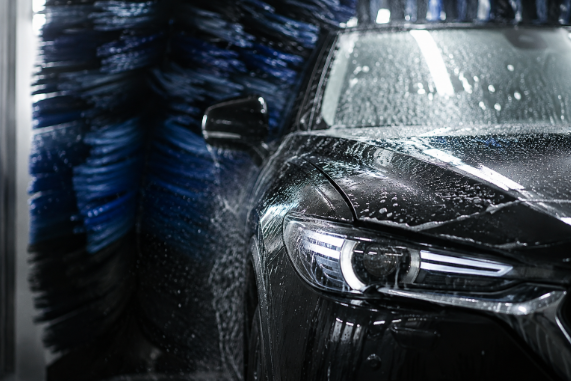
Conveyor-style friction washes use spinning curtains, giant brushes, and foam strips that slap against your vehicle at high speeds. As dozens of dirty vehicles pass through the tunnel before yours—ranging from salty winter commuters to mud-caked trucks—those brushes trap sand, grit, and harsh debris.
When these dirty materials strike your car, they act like coarse sandpaper, dragging trapped contaminants across your paint and creating deep circular micro-scratches known as swirl marks.
2. Micro-Marring and Spiderwebbing
Over time, repeated trips to automated friction washes create thousands of tiny, overlapping scratches across every panel. Under direct sunlight or bright streetlights, this damaged paint from car wash machinery looks like a cloudy, spiderweb-like haze. Instead of reflecting light like a mirror, the damaged clear coat diffuses light, making the vehicle look dull, faded, and aged.
Is a Touchless Car Wash Safe?
Fearing brush damage, many vehicle owners opt for touchless car washes, assuming zero physical contact equals zero harm. But is a touchless car wash safe for your exterior?
While touchless washes eliminate brush friction, they introduce a different set of risks:
- Harsh Chemical Solvents: Because touchless systems rely strictly on water pressure and chemistry to strip dirt, they use aggressive, high-pH alkaline detergents and acidic pre-soaks. These harsh chemicals strip away waxes, degrade protective sealants, and dry out rubber door seals over time.
- The Remaining Dirt Film: High-pressure water jets cannot break the electrostatic bond between fine road grime and your clear coat. Touchless washes often leave a thin film of dirt behind. If you or an attendant attempt to towel-dry the vehicle after a touchless wash, you end up dragging that leftover abrasive film across the paint, causing scratches anyway.
Automatic vs. Manual Car Wash: A Direct Comparison
When evaluating the automatic vs manual car wash debate, the primary difference comes down to friction control and lubrication:
- Automatic Friction Washes: High speed, low cost, high risk of swirl marks and clear coat micro-marring.
- Touchless Automated Washes: Medium speed, lower risk of heavy scratches, high risk of chemical stripping and incomplete cleaning.
- Professional Manual Hand Wash: Controlled friction, pH-neutral shampoos, clean microfiber materials, zero risk of automated brush gouging, and maximum long-term clear coat preservation.
How to Fix Swirl Marks and Car Wash Damage
If your vehicle already exhibits dullness and spiderweb scratches from automatic tunnels, there is good news: most clear coat damage can be safely reversed.
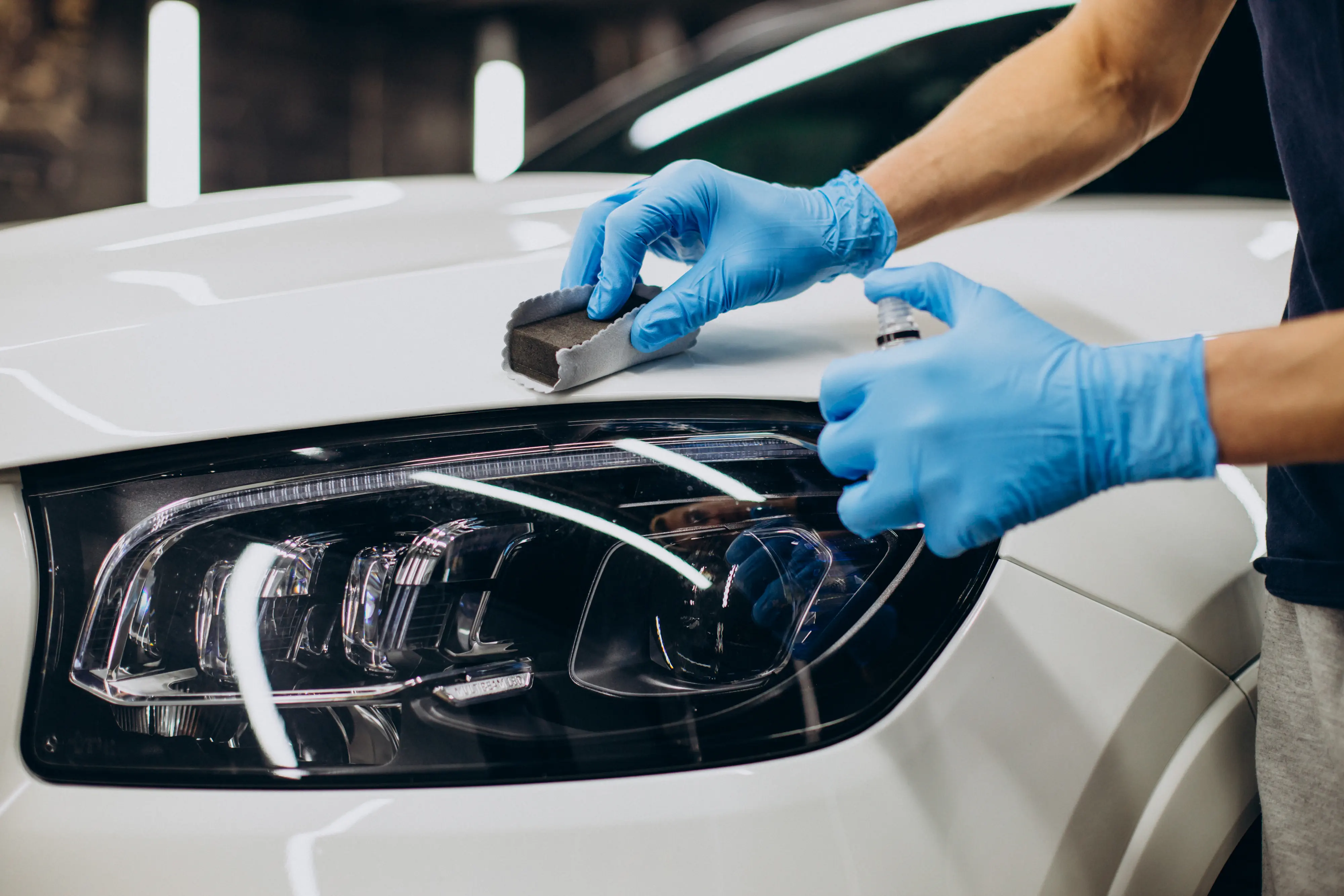
To fix car wash scratches, professional detailers rely on a process called paint correction. Here is how learning how to fix swirl marks actually works:
- Decontamination & Clay Bar Treatment: The vehicle is thoroughly washed by hand, followed by chemical iron removal and clay bar treatment to pull out embedded contaminants from clear coat pores.
- Measuring Clear Coat Thickness: Technicians use digital paint depth gauges to measure clear coat thickness, ensuring safe compound polishing without burning through factory paint.
- Machine Polishing: Performing paint correction for car wash scratches involves using rotary or dual-action machine polishers paired with specialized abrasive compounds and foam pads. This process levels out the top microscopic layer of the clear coat, leveling the valleys of the scratches until the surface is flat and reflective again.
- Protective Sealing: Once scratches are removed, the clear coat must be protected with a ceramic coating, PPF, or high-grade sealant to prevent future environmental damage.
Finding a Safe Car Wash in Chicago
If you live in an urban environment with harsh weather, protecting your clear coat becomes even more critical. Between winter road salt, industrial fallout, and freezing slush, finding a reliable safe car wash chicago detailing studio ensures your vehicle receives scratch-free hand washing and proper paint protection.
Professional Chicago detailers utilize the two-bucket hand wash system, high-lubricity foams, and soft plush microfiber drying towels—ensuring that road grime is safely lifted off the vehicle without scratching the delicate clear coat.
The Verdict: Protecting Your Investment
Automated car washes trade your vehicle's long-term paint health for short-term convenience.
While taking your car through an automated brush tunnel saves twenty minutes today, it costs thousands of dollars down the road in lost resale value and paint restoration fees. By opting for safe hand-washing techniques and investing in professional paint correction when needed, you ensure your car retains its glossy, showroom-ready finish for years to come.