Driving a new car off the lot is an exhilarating experience, but keeping that factory-fresh shine intact can feel like an uphill battle. Between flying gravel on highway commutes, harsh winter salt, and accidental door dings, your vehicle’s exterior faces daily threats. When searching for reliable auto paint protection chicago drivers often stumble upon a vital question: is ppf worth it?
Whether you are looking to protect new car paint or preserve the resale value of a luxury ride, Paint Protection Film (PPF) has become the gold standard in modern automotive care. Here is a comprehensive guide to understanding what PPF is, how it compares to other solutions, and whether it is the right financial choice for your car.
What is Paint Protection Film (Clear Bra)?
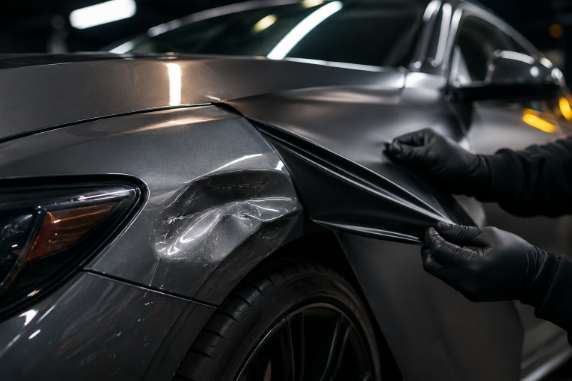
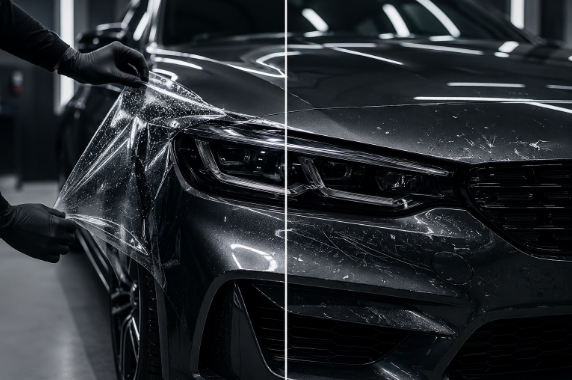
Paint Protection Film, often referred to as a clear bra for cars, is an ultra-durable, high-grade thermoplastic polyurethane film applied directly over a vehicle's painted surfaces. Originally developed for military use to shield helicopter rotor blades from flying debris, this technology has evolved into the ultimate form of car scratch protection for modern automobiles.
Unlike liquid coatings or waxes, PPF acts as a thick, physical armor. Modern high-quality films feature advanced self-healing properties: minor swirl marks and hairline scratches disappear naturally when exposed to heat from the sun or warm water.
The Key Advantages of Installing PPF
Investing in premium paint protection yields several immediate and long-term benefits:
- Superior Impact Defense: PPF absorbs the energy from stones, gravel, and road debris that would otherwise chip or gouge your clear coat.
- Self-Healing Top Coat: Everyday wash swirls and light scratches smooth out automatically under mild heat.
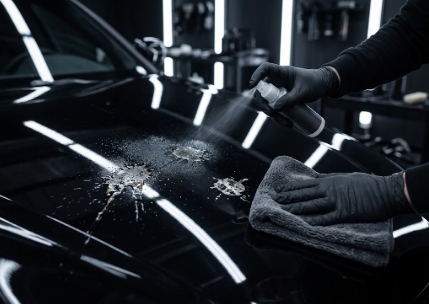
- Stain and Chemical Resistance: The film shields your paint against tree sap, acid rain, bug splatter, and harsh winter de-icing chemicals.
- Invisible Protection: The best ppf film options are virtually invisible once applied, maintaining the original color and gloss of your paint without altering its appearance.
- Preserves Resale Value: Keeping your factory paint pristine significantly boosts your car's trade-in or private sale value down the road.
PPF vs. Ceramic Coating: What's the Difference?
A common area of confusion for car owners is comparing ppf vs ceramic coating. While both serve to protect your vehicle, they accomplish entirely different goals:
- Paint Protection Film (PPF) provides heavy-duty physical armor. It is thick enough to absorb rock chips, road debris, and deep scratches.
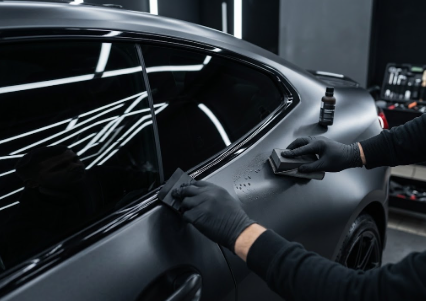
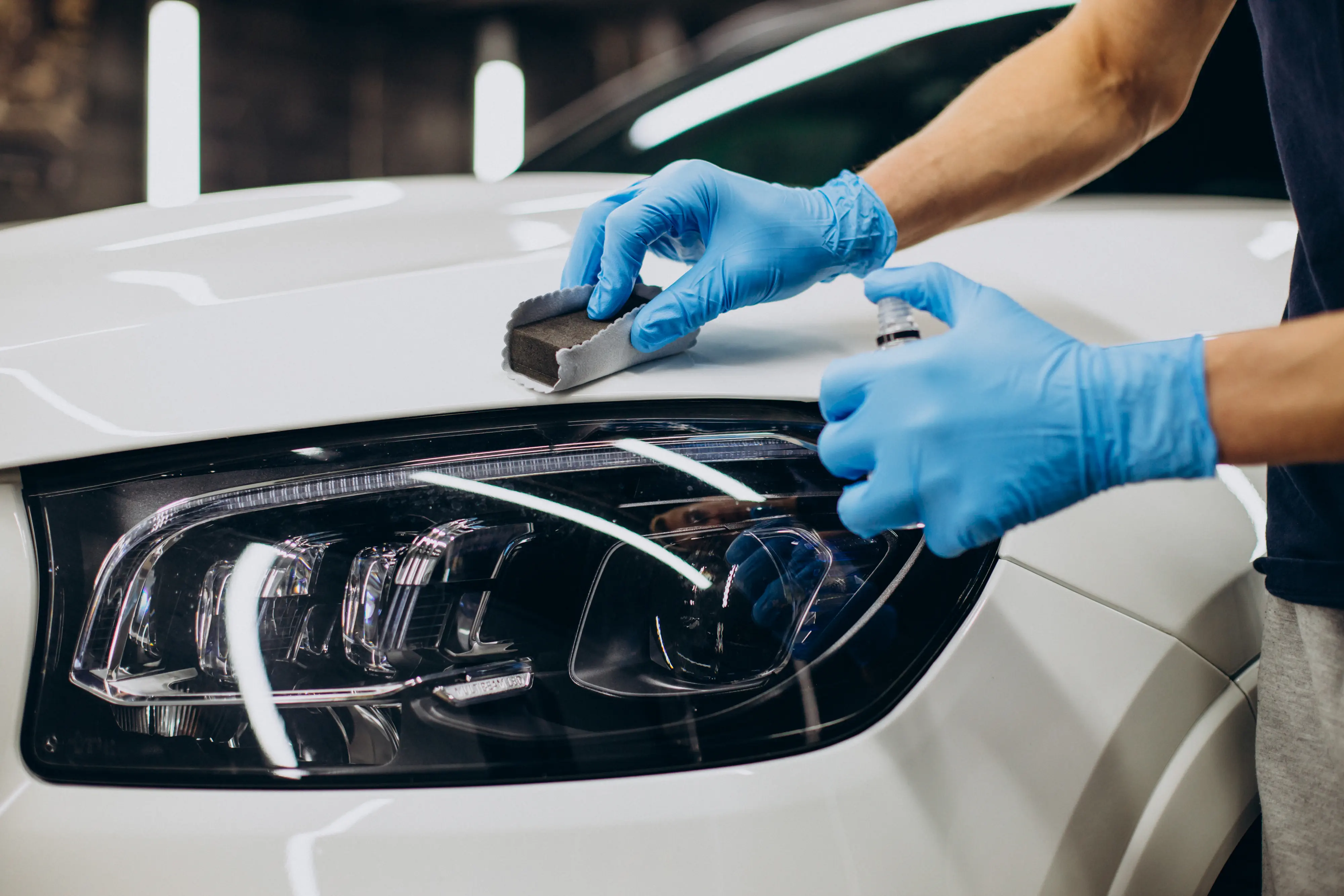
- Ceramic Coating is a liquid polymer that chemically bonds with the paint to create an ultra-hydrophobic surface. It repels water, mud, and chemical stains while making the car easier to wash, but it cannot stop a flying rock from chipping your paint.
For maximum defense, many car enthusiasts opt for a hybrid approach: applying PPF to high-impact areas (like the front bumper, hood, and fenders) and layering a ceramic coating over the entire vehicle for hydrophobic ease of maintenance.
Common Myth: Does PPF Damage Paint?
A frequent concern among vehicle owners asking "does ppf damage paint?" stems from low-quality films or poor DIY removal attempts.
The short answer is no—quality PPF does not damage factory paint. When installed professionally and removed using proper heat techniques, top-tier film actually preserves the underlying clear coat in its original condition. However, if applied over low-quality aftermarket repaint jobs that haven't cured properly, extra care must be taken during removal.
Understanding Paint Protection Film Cost
Evaluating the paint protection film cost requires looking at PPF as a long-term investment rather than an expense.
The overall cost depends heavily on the coverage level you select:
- Partial Front / Clear Bra Package: Covers high-impact zones like the front bumper, partial hood, side mirrors, and fenders.
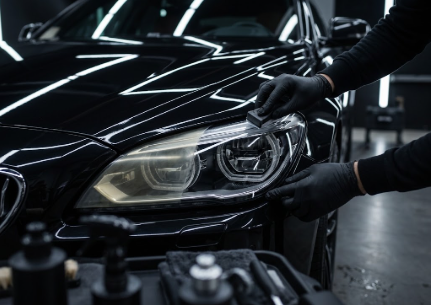
- Full Front Package: Protects the entire hood, front bumper, full fenders, and headlights for complete front-end defense.
- Full Body Wrap: Encases the entire vehicle in film for 100% paint defense against every angle of potential damage.
Factors such as vehicle size, paint complexity, surface prep (polishing away existing defects), and using the best ppf film brand will influence the final pricing. While initial costs are higher than traditional detailing, PPF saves thousands of dollars over time in repainting, chip repair, and lost resale value.
Why Professional PPF Installation Matters
Proper application is just as critical as the quality of the film itself. Searching for specialized ppf installation chicago services ensures that your vehicle is treated in a controlled, dust-free environment by trained technicians.
Professional installers custom-trim edges, wrap around panel margins where possible, and meticulously eliminate air bubbles and stretch marks—delivering a seamless finish that looks like factory paint.
The Verdict: Is PPF Worth It?
Deciding whether to invest in PPF comes down to your priorities as an owner:
PPF is definitely worth it if: You just purchased a new or luxury vehicle, commute frequently on highways, plan to keep your car for several years, or want maximum peace of mind against rock chips and road damage.
You might skip PPF if: You are driving an older car with existing heavy paint damage, plan to sell or return a lease within a few months, or do not mind minor stone chips and daily wear.
Ultimately, Paint Protection Film remains the single most effective barrier against physical road hazards. By investing in professional protection early in your vehicle's lifespan, you ensure that your ride looks showroom-ready for years to come.