For decades, automotive enthusiasts facing the aesthetic dilemma of styling versus preservation had to choose between two distinct paths: install transparent film to shield factory paint, or apply vinyl wrap to change the vehicle's color. While vinyl provided endless creativity, it offered virtually no physical defense against highway rocks. Conversely, traditional clear bra preserved paint but left you locked into your car's original factory hue.
Today, revolutionary film engineering eliminates that compromise altogether.
With high-performance color ppf, you no longer have to pick between defense and design. This groundbreaking technology allows vehicle owners to protect and change car color in a single, seamless application. Here is an in-depth guide to understanding colored paint protection film, how it compares to traditional wraps, its cost factors, and why it represents the absolute pinnacle of modern automotive customization.
What is Colored Paint Protection Film?
Traditional Paint Protection Film (PPF) is a clear, elastomeric thermoplastic polyurethane (TPU) layer designed to absorb physical impacts from stones, gravel, and road debris. Colored paint protection film takes that exact heavy-duty TPU foundation and infuses it with rich, deep color pigments during the manufacturing process.
Rather than applying a color layer on top of a base film, modern color ppf integrates color throughout the material or beneath a high-clarity self-healing topcoat. This results in a thick, impact-resistant shield that mirrors the depth, clarity, and reflection of multi-stage OEM automotive paint.
Whether you choose a sleek matte color ppf finish, a vibrant metallic shade, or an ultra-deep gloss black ppf for accent wrapping, the outcome is a surface that looks indistinguishable from high-end custom paint while providing genuine body armor.
Color PPF vs. Vinyl Wrap: Understanding the Differences
When evaluating a color ppf vs vinyl wrap comparison, the differences extend far beyond surface aesthetics. They represent entirely different material sciences and protection levels.
1. Material Thickness & Physical Defense
- Vinyl Wrap: Typically made of Polyvinyl Chloride (PVC) with a thickness of 3 to 4 mils (0.07–0.10 mm). Vinyl is thin and rigid, designed purely for aesthetic color changes. It offers virtually no shock absorption against flying gravel or sharp road debris.
- Color PPF: Constructed from premium Thermoplastic Polyurethane (TPU) with a thickness ranging from 7.5 to 8.5+ mils (0.19–0.21 mm)—more than double the thickness of vinyl. This elastomeric structure acts as a shock-absorbing cushion that disperses impact energy.
2. Self-Healing Capabilities
- Vinyl Wrap: Scratches, wash swirls, and scuffs remain permanently visible on vinyl until the affected panel is re-wrapped.
- Color PPF: The best color ppf films feature advanced elastomeric polymers in their top layer. Micro-scratches and swirl marks heal automatically when exposed to ambient heat, sunlight, or warm water.
3. Surface Clarity and "Orange Peel"
- Vinyl Wrap: Due to the nature of PVC manufacturing, vinyl often exhibits a slight textured effect known as "orange peel," particularly visible on dark colors.
- Color PPF: High-grade color PPF cures with zero orange peel, offering a glass-like, mirror-smooth reflection that matches or exceeds luxury factory paint finishes.
4. Longevity and Warranty
- Vinyl Wrap: Expect a lifespan of 3 to 5 years before the film begins to fade, dry out, or become difficult to remove.
- Color PPF: Backed by manufacturer warranties lasting 7 to 10 years, offering superior UV resistance against yellowing, cracking, and chalking.
Top Benefits of Installing Color PPF
Upgrading your vehicle with colored paint protection film offers unmatched functional and visual advantages:
- True Rock Chip Resistance: Absorbs energy from rocks, road gravel, and flying debris that would normally gouge factory clear coats.
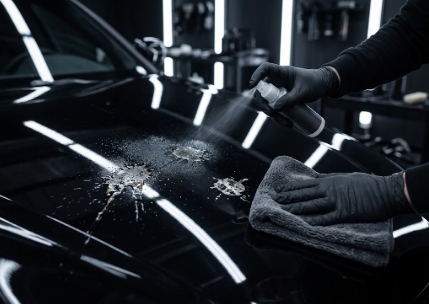
- Chemical & Environmental Defense: Guards against acidic bird droppings, harsh tree sap, acid rain, road salt, and harsh winter de-icing chemicals.
- Advanced Hydrophobic Properties: Features a factory-applied ceramic topcoat that repels water, mud, and road grime, making weekly maintenance washing effortless.
- Conceals Existing Minor Paint Defects: Because the film is opaque and thick, applying color PPF can hide light swirl marks, rock chips, or minor paint flaws on your current factory finish.
- Preserves OEM Resale Value: Beneath the stunning new color, your factory paint remains locked in a pristine, factory-fresh condition, preserving maximum trade-in value down the road.
Popular Color PPF Aesthetics & Trends
Color PPF options have expanded rapidly, offering finishes for every type of build:
- Gloss Black PPF: Highly popular for creating contrast elements—such as blacked-out roofs, side mirrors, rear spoilers, and chrome-delete trims—while protecting high-wear areas.
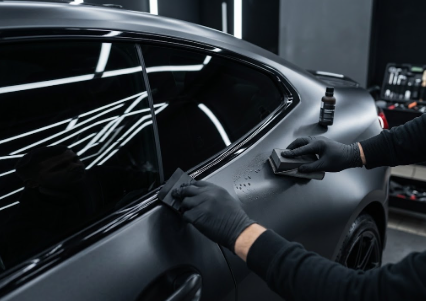
- Matte & Satin Color PPF: Gives your car a stealthy, satin appearance without the high-maintenance nightmare associated with traditional matte paint jobs.
- Gloss Color Conversions: From deep Nardo Gray and Riviera Blue to rich Metallic Reds, gloss color PPF gives your car a brand-new factory-paint appearance.
Understanding Color PPF Cost
Evaluating the color ppf cost requires recognizing that the material serves a dual purpose: complete cosmetic transformation and maximum paint preservation.
Because colored PPF utilizes advanced TPU material technology and requires meticulous craftsmanship, the initial cost is higher than a standard vinyl wrap or basic clear bra. Factors influencing the total price include:
- Vehicle Size & Body Complexity: Sports cars with intricate aerodynamic bumpers, vents, and sharp contours require more labor hours than flat-paneled sedans.
- Coverage Level: Full-body wraps cost significantly more than partial accent packages (such as roof wraps or hood wraps).
- Surface Preparation: Extensive paint correction, decontamination, and panel disassembly before application directly impact labor time.
While the initial investment is higher, color PPF lasts twice as long as vinyl and eliminates the need to buy a separate protective clear bra. Over a 7-to-10-year ownership period, the cost-per-year makes color PPF one of the most economical investments in automotive preservation.
The Professional Color PPF Installation Process
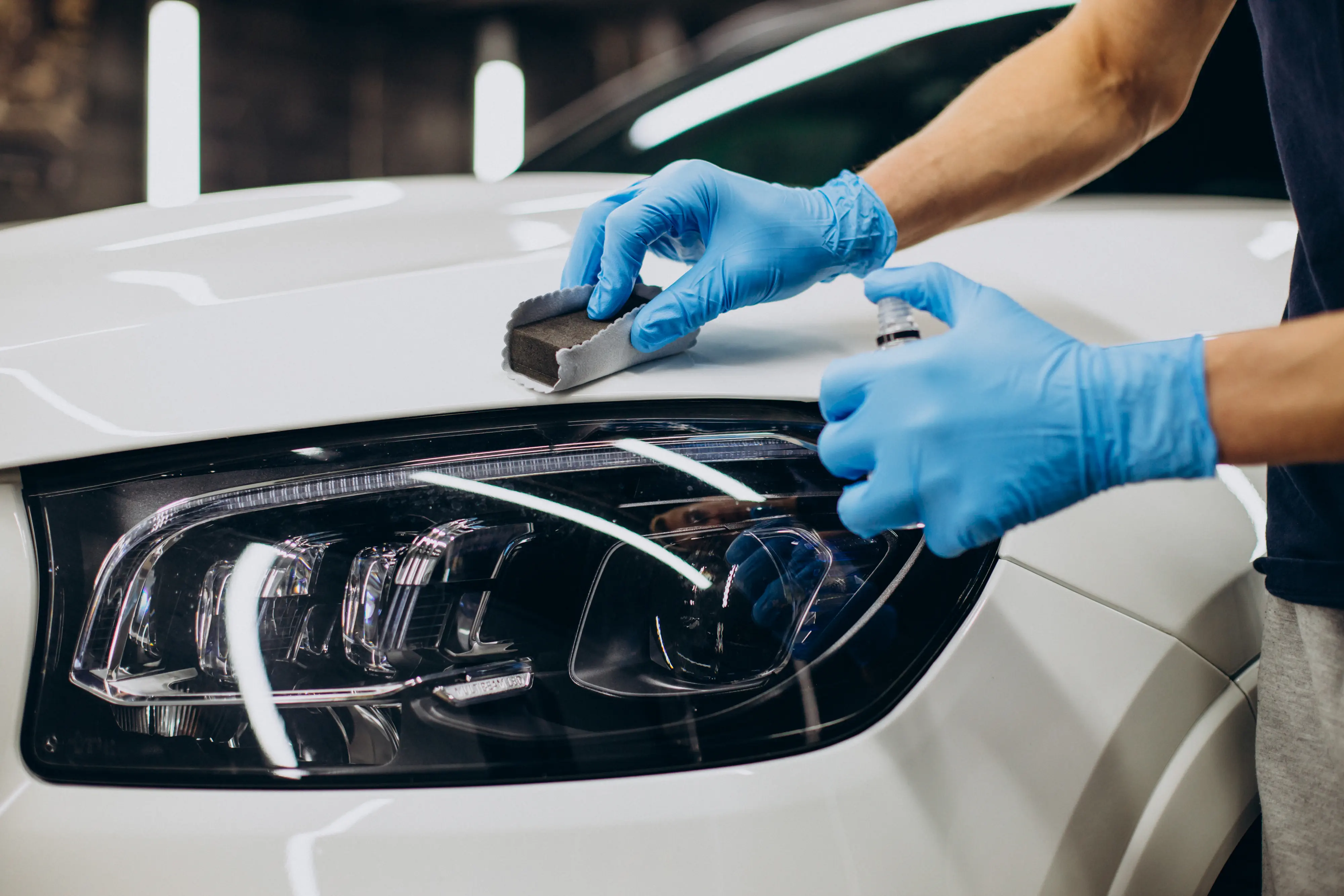
Achieving a seamless, factory-like result requires specialized expertise. Standard vinyl installation techniques cannot be applied to thick TPU film.
Searching for certified color ppf installation guarantees that your vehicle undergoes a rigorous, professional process:
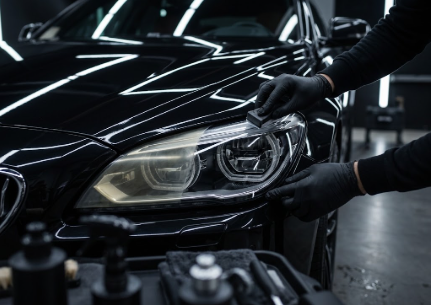
- Decontamination & Surface Prep: The vehicle undergoes a deep wash, iron decontamination, and clay bar treatment to ensure an immaculate foundation.
- Paint Correction: Minor paint defects are corrected so the film adheres smoothly without underlying bumps.
- Disassembly: Badges, door handles, taillights, and trim pieces are carefully removed to allow full edge-wrapping.
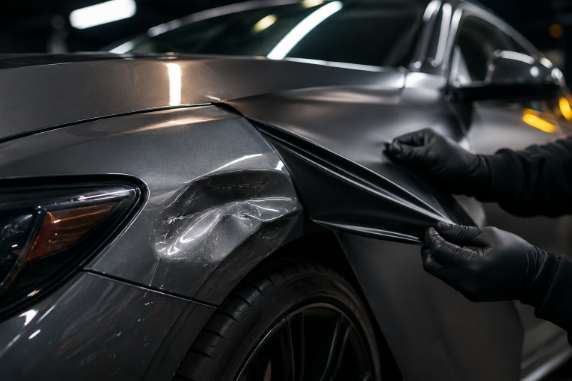
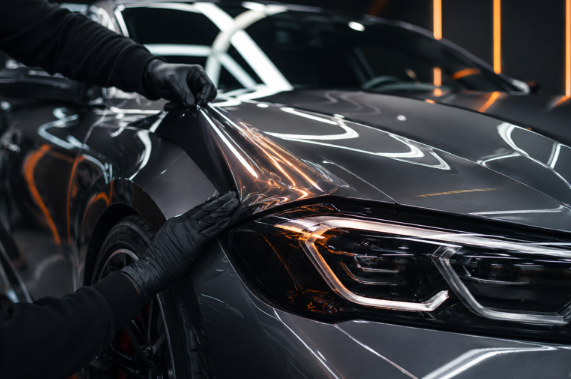
- Precision Application: Installers apply the film using specialized slip solutions, stretching and conforming the thick TPU over panel edges.
- Edge Tucking & Heat Curing: Edges are wrapped around panel margins into door jambs and seams, ensuring no original paint is visible.
For vehicle owners seeking top-tier color ppf chicago services, choosing a shop equipped with climate-controlled, dust-free installation bays is essential for a bubble-free, seamless finish.
The Verdict: Is Color PPF Worth It?
Color PPF represents the ultimate convergence of auto styling and heavy-duty armor:
Choose Color PPF if: You want a striking color transformation combined with long-term, uncompromised defense against rock chips, scratches, and harsh environmental elements.
Choose Vinyl Wrap if: You are looking for a short-term graphic design, plan to change vehicle colors frequently on a lower budget, or do not drive on highways where rock chip defense is necessary.
By combining the bold self-expression of custom styling with the bulletproof toughness of thermoplastic armor, color PPF stands as the single best long-term investment for modern vehicle preservation.