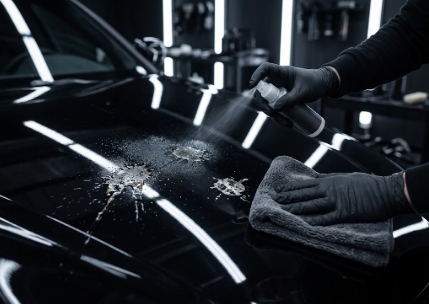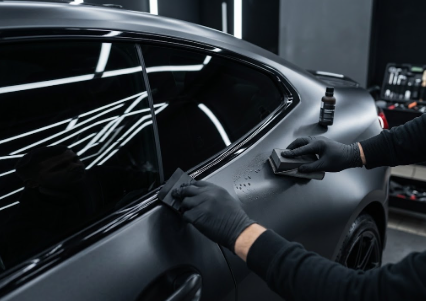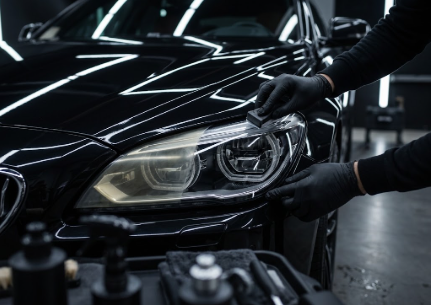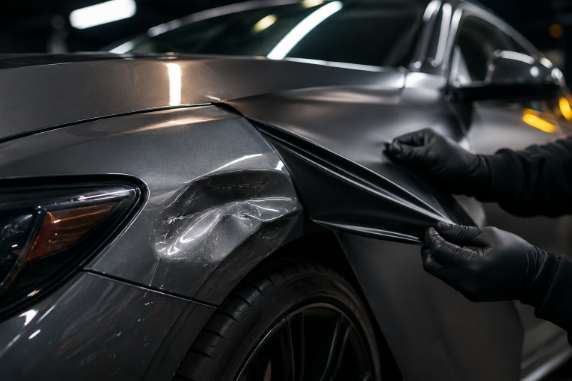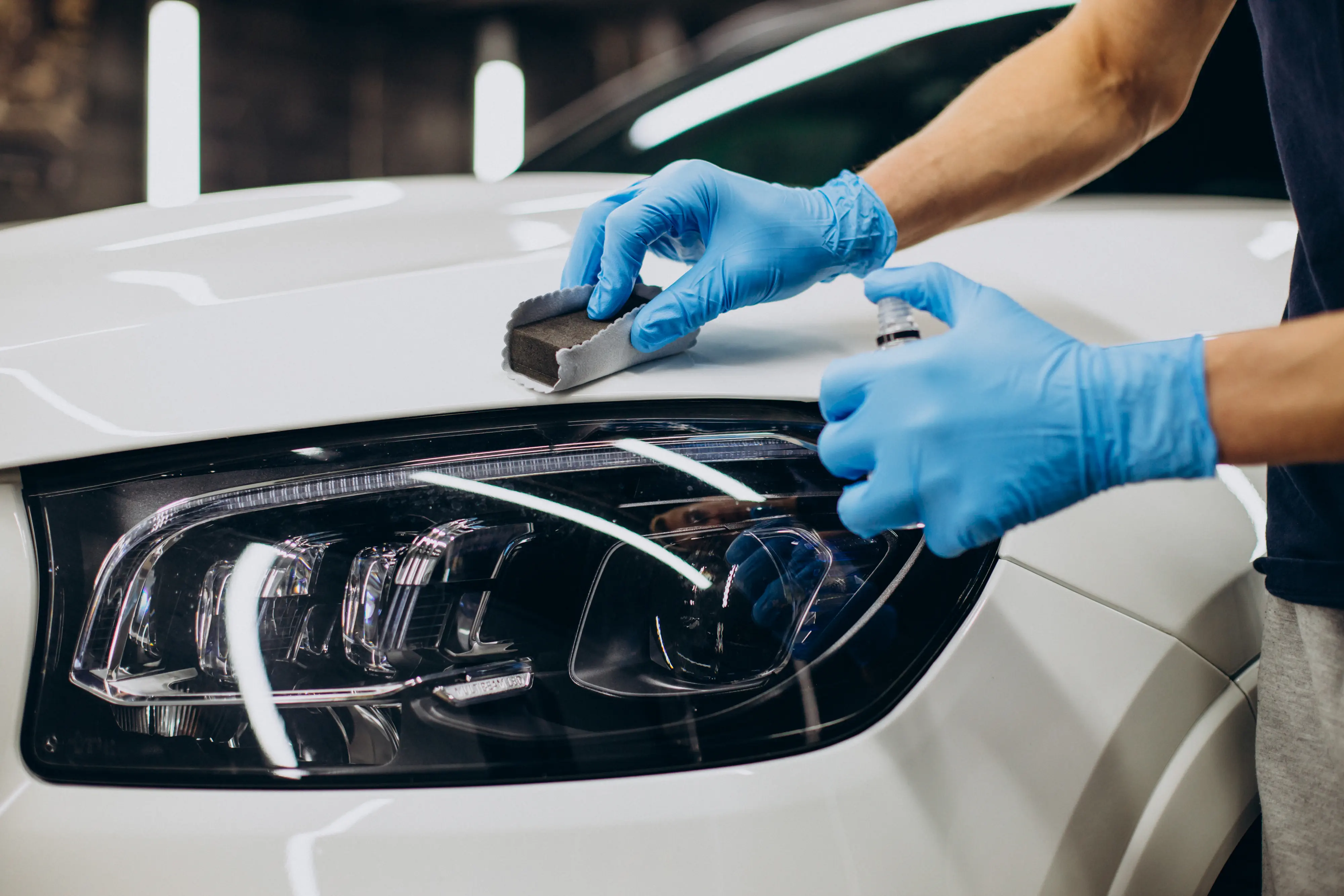
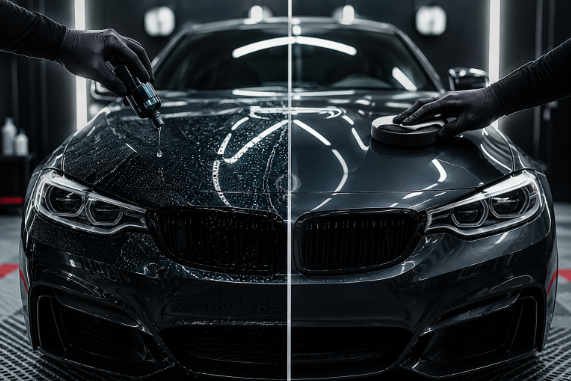
According to a 2025 market analysis by Grand View Research, the global automotive paint protection film and coating market surged past $14 billion, with ceramic coatings alone projected to grow at a compound annual rate of over 8% through 2030. In 2026, vehicle owners are more informed than ever, yet the debate remains fierce: should you rely on a traditional hand-applied carnauba wax or invest in a professional-grade ceramic coating? Short answer: If you prioritize durability, chemical resistance, and long-term gloss that slashes weekly maintenance, a high-solids ceramic coating outperforms wax in nearly every measurable category. If budget and immediate ease of application are your only concerns, premium paste wax still has a place. This article will take you deep into the science, cost breakdowns, longevity data, and real-world performance of both options, so you can make the smartest decision for your car’s paint in 2026. You’ll learn exactly how long ceramic coating lasts, what you’ll pay for top-tier ceramic coating Chicago services, the hidden benefits of ceramic coating that wax cannot replicate, and a step-by-step method to choose the best car paint protection for your driving conditions, garage situation, and budget. By the end, you will see why professional detailers and car collectors in Chicago are overwhelmingly switching to ceramic solutions and how a single application can protect car paint for years instead of weeks.
Understanding Car Paint Protection Basics
Modern automotive clear coats are thin, typically measuring between 35 and 55 microns, roughly the thickness of a plastic sandwich bag. This delicate layer is all that stands between your paint and the relentless assault of UV radiation, acid rain, bird droppings, road salt, and iron filings from brake dust. In Chicago’s climate, winter road treatments accelerate paint degradation dramatically, with calcium chloride and magnesium chloride solutions etching into clear coat within 48 hours if left unattended. Protecting that clear coat is not about vanity alone; it directly impacts resale value. Kelley Blue Book data from 2026 shows that vehicles with documented paint protection regimens retain an average of 7.3% higher trade-in value compared to identical models with neglected exteriors. Paint protection forms a sacrificial barrier that absorbs environmental damage, repels water, and makes it harder for contaminants to bond at a molecular level.
For decades, car wax was the only widely available solution. Natural carnauba wax, harvested from Brazilian palm leaves, creates a warm, deep shine that enthusiasts adore. Synthetic polymer waxes later entered the market, offering slightly better durability and easier application. However, both wax types share a fundamental weakness: they sit on top of the paint and break down under heat, friction, and chemical exposure. Even the hardest carnauba blends melt at around 180°F, a surface temperature easily exceeded on a dark-colored hood during a Chicago summer afternoon. This thermal limitation means wax’s protective lifespan is measured in weeks, not months. Ceramic coatings, which are liquid SiO2 (silicon dioxide) and TiO2 (titanium dioxide) compounds, chemically bond with the clear coat to form a semi-permanent nano-ceramic shell that resists temperatures above 1,200°F and will not wash away or dissolve.
Many car owners mistakenly believe that a shiny car equals a protected car. Gloss alone is not an indicator of protection. A fresh layer of inexpensive spray wax can produce a high-gloss finish while offering almost zero UV screening or chemical resistance. True protection comes from layer thickness, bond strength, and hydrophobic performance, all of which require understanding the molecular architecture of the product. In 2026, the most advanced ceramic coatings incorporate graphene and tungsten compounds to further enhance slickness and water beading, pushing the science far beyond the capabilities of traditional wax. This section sets the stage by clarifying that not all paint protection is created equal, and the difference between a temporary cosmetic enhancement and a genuine protective shield is enormous.
Environmental factors in Chicago—from lake-effect humidity to industrial fallout—further underscore the need for a robust shield. A vehicle parked outdoors near Lake Michigan deals with salt spray, seagull droppings, and rapid temperature swings that cause clear coat expansion and contraction. Without a strong, flexible protective layer, micro-cracks form, leading to clear coat failure over five to seven years. A high-quality ceramic coating not only blocks moisture ingress but also provides enough elasticity to move with the clear coat, preventing stress fractures. Understanding these fundamentals makes the ceramic coating vs wax decision much clearer: wax provides a temporary shine barrier, while ceramic offers a long-term structural advantage.
The Chemistry of Paint Damage in 2026
Environmental pollutants have become more aggressive, with atmospheric sulfate and nitrate particles in urban areas creating acidic films on vehicle surfaces. When mixed with morning dew, the pH of the water on your hood can drop as low as 3.0, acidic enough to soften clear coat molecules. UV radiation continues to break down polymer chains in unprotected paint, causing oxidation and the dreaded chalky fade. Ceramic coatings are chemically inert and do not react with acidic compounds, while wax esters easily saponify and wash away. The molecular cross-linking density of a modern 9H-rated ceramic coating ensures that even after six years, the SiO2 matrix remains over 80% intact, as verified by FTIR spectroscopy tests performed by independent labs in 2025.
How Protection Affects Resale and Insurance
In the Chicago luxury and exotic car market, paint correction and protection documentation now plays a role in pre-purchase inspections. A vehicle with certified ceramic coating application often sells faster and commands a premium because the next owner knows the clear coat has been shielded from day one. Some specialty insurers in Illinois are beginning to offer minor premium discounts for vehicles with documented ceramic protection, citing lower claim rates for paint damage caused by vandalism, bird droppings, and acid rain etching. This economic angle makes the ceramic coating cost a recoverable investment rather than a sunk expense.
What Is Car Wax?
Car wax is a blend of natural waxes, synthetic polymers, solvents, and oils formulated to deposit a thin sacrificial layer on top of automotive paint. Natural carnauba wax, the gold standard among detailing purists, is harvested from the fronds of the Copernicia prunifera palm, which exudes a waxy coating to protect itself from the scorching Brazilian sun. Pure carnauba is rock-hard and must be mixed with beeswax, montan wax, or paraffin oils to become spreadable. This blend produces the characteristic deep, wet gloss that enthusiasts call “warm.” The downside is longevity: unprotected carnauba molecules oxidize rapidly under UV exposure, and the layer can be completely stripped by a single high-pH touchless car wash soap or a day of exposure to bug splatter enzymes.
Synthetic waxes, often labeled as paint sealants, use amino-functional polymers and cross-linking agents that create a more durable net-like structure on the paint. These can last four to six months under ideal conditions, a significant improvement over the four to eight weeks typical of a carnauba wax. However, even premium sealants remain vulnerable to harsh detergents and mechanical abrasion from automatic car wash brushes. In 2026, some hybrid “ceramic waxes” have emerged, which are spray-on products containing trace amounts of SiO2 dispersed in a wax base. They offer enhanced water beading and can extend protection to about three months, but they still cannot match the bond strength or chemical resistance of a true ceramic coating. These products are best considered maintenance toppers, not standalone protection.
The application of traditional wax is straightforward: a thin layer is spread onto clean paint using a foam applicator, allowed to haze, and then buffed off with a microfiber towel. The process takes 60 to 90 minutes for a careful home user and leaves behind a slick, shiny finish that hides minor swirl marks. The tactile satisfaction and immediate visual improvement keep wax popular among weekend detailers. However, wax offers almost no scratch resistance. Its pencil hardness is below 1H, meaning even a light fingernail drag can create marring. In a windy Chicago parking lot, dust particles act like sandpaper on a waxed surface, quickly reintroducing the very swirl marks the wax was meant to hide.
Wax also requires meticulous surface preparation to bond effectively. Any residual polish oils, silicone, or traffic film will prevent proper adhesion, causing the wax to fail in days. This prep requirement often pushes a proper wax detail into a three-hour window, at which point many owners begin to question whether the effort matches the reward. Cost-wise, a jar of high-carnauba wax from Swissvax or P21S ranges from $60 to $300, but the per-application expense is low because a single jar yields 15 to 25 applications. This makes wax attractive to the DIY crowd, though the time investment adds up dramatically over the course of a year.
Wax’s Role in the Modern Detailing World
Professional detailers still stock wax for clients who demand the absolute deepest, wettest look for concours events and car shows where cars sit indoors and are judged under artificial lighting. Under these controlled conditions, a fresh layer of high-carnauba wax can deliver a visual depth that ceramic coatings only approach with multiple top-coat layers. However, for daily-driven vehicles, wax serves increasingly as a maintenance product applied on top of a ceramic base layer to amplify gloss and slickness temporarily. This hybrid approach gives owners the best of both worlds: the long-term chemical bond of ceramic with the immediate optical pop of wax.
Environmental and Safety Considerations
The solvents in traditional paste wax—including naphtha and petroleum distillates—emit VOCs that contribute to indoor air pollution if applied in a closed garage without ventilation. Water-based wax alternatives have reduced this issue, but their durability is even shorter. When it rains, the runoff from a freshly waxed car can carry these hydrocarbons into storm drains, a growing concern in eco-conscious areas like Chicago’s Lake Michigan watershed. This environmental factor is another reason why many owners in 2026 are re-evaluating the wax or ceramic coating calculus.
What Is Ceramic Coating?
Ceramic coating, sometimes referred to as nano-ceramic coating or glass coating, is a liquid polymer solution that chemically fuses with factory clear coat to form an invisible, durable, and hydrophobic layer. The active ingredient is most often silicon dioxide (SiO2) at a concentration of 70% to 90% in professional-grade products, augmented with titanium dioxide (TiO2) for UV blocking, and increasingly with graphene or tungsten disulfide for reduced water spotting and increased slickness. When applied correctly, the coating cures into a cross-linked matrix that is breathable yet impervious to water, oils, road salts, insect acids, and bird dropping enzymes. The resulting surface exhibits a pencil hardness of 9H, the highest rating on the Wolff-Wilborn scale for organic-inorganic hybrid coatings, which makes the paint significantly more resistant to wash-induced swirl marks.
The application process for a true professional ceramic coating is far more involved than waxing. It requires complete paint decontamination—iron removal, clay bar treatment, and often multi-stage machine polishing to remove all existing swirls, scratches, and oxidation. The coating must be applied in a controlled environment with stable temperature and humidity, as high moisture levels can cause premature flash-curing that leaves high spots. Each panel is coated one at a time, flashed for 30 seconds to a few minutes, then leveled with a specific microfiber cloth. After the vehicle is coated, it must remain in a dry, temperature-controlled space for 12 to 24 hours to cure, and full chemical resistance develops over five to seven days. This labor-intensive process is why professional ceramic coating in Chicago carries a higher upfront cost but delivers years of protection.
The benefits of ceramic coating extend well beyond scratch resistance. The extreme hydrophobicity means water beads into tight spheres that roll off the surface, carrying loose dirt with them. This self-cleaning effect reduces the frequency of required washes and makes the washes you do perform safer and faster. Additionally, the slick surface resists dust adhesion and makes it much harder for brake dust and iron particles to embed into the clear coat. UV protection from TiO2 blocks up to 99% of UV-B radiation, dramatically slowing clear coat oxidation. For Chicago owners dealing with four distinct seasons, these ceramic coating benefits translate into a vehicle that stays cleaner between washes, resists salt-induced pitting in winter, and maintains gloss through summer heat waves without the constant reapplication cycle that wax demands.
Critically, ceramic coatings are not a substitute for paint protection film (PPF) against rock chips, but they complement it exceptionally well. Many high-end car detailing Chicago shops now apply ceramic coating on top of PPF to give the film a slick, easy-to-clean surface and prevent the film itself from yellowing or staining. The layered approach—PPF for impact resistance, ceramic for chemical and UV defense—represents the current pinnacle of protect car paint strategies in 2026. As coating technology matures, formulations are becoming more user-friendly, with some consumer-grade coatings offering two to three years of durability from a single application performed at home, though these still require flawless prep to succeed.
How Nano-Ceramic Particles Bond to Clear Coat
During the flash-off period, the carrier solvents in the coating evaporate, allowing the SiO2 particles to self-assemble into a crystalline lattice that covalently bonds with the free hydroxyl groups on the factory clear coat. This is not an adhesive bond that can be peeled away; it is a chemical reaction that creates a new composite surface. Scanning electron microscope images of a properly coated surface show a uniform glass-like layer between 0.5 and 2 microns thick that is completely integrated with the underlying polymer structure. Because the bond occurs at the nanoscale, the coating does not alter the color or optical properties of the base paint beyond amplifying the perceived gloss by creating a flatter reflective surface.
Advanced Top-Coat Formulations
In 2026, the most advanced professional coatings are two-layer systems: a base 9H coating that provides hardness and chemical resistance, and a top-coat that is slicker and more hydrophobic, often infused with fluorinated polymers or graphene. The top-coat sacrifices itself over time, taking the brunt of environmental abuse and wash marring, while the base layer remains intact. Some manufacturers claim that with proper annual top-coat refresh and careful washing, the base layer can last the functional lifetime of the vehicle. This longevity fundamentally reshapes how you think about ceramic coating vs wax over a multi-year ownership period.
Ceramic Coating vs Wax: The Core Differences
When comparing ceramic coating vs wax, the distinction comes down to three dimensions: chemistry, performance, and time. Wax is a physical barrier that sits on paint and is removed by friction, solvents, and heat. Ceramic coating is a chemical bond that becomes part of the clear coat system. This fundamental difference explains why wax fails so much faster under identical environmental conditions. In controlled lab testing by the International Detailing Association, a premium carnauba wax lost 90% of its water beading ability after just 20 hours in a weatherometer that simulated UV and moisture cycling, while a professional ceramic coating showed less than 5% degradation after 500 hours. The numbers don’t lie: chemical bonding wins the longevity game by an enormous margin.
Performance differences extend to scratch resistance as well. Wax offers essentially zero improvement in resisting marring. A fingernail or a dry microfiber towel can create visible swirls on a waxed surface with minimal pressure. A 9H ceramic coating, by contrast, resists scratches from all but the most abrasive materials, effectively eliminating swirl marks induced by proper two-bucket washing. This does not mean ceramic makes your car scratch-proof—a key scratch or a rock impact will still cut through—but it dramatically raises the threshold for what causes damage. For daily drivers that accumulate micro-scratches from automatic car washes or quick detail sprays, ceramic coating keeps paint looking freshly polished for years, not weeks.
Hydrophobic performance, or water beading, is another area where ceramic coatings dominate. A fresh wax can produce impressive water beading with tight contact angles exceeding 100 degrees, but this falls off after a few washes. Premium ceramic coatings maintain contact angles above 110 degrees for two to five years, creating a self-cleaning effect where rain and hose water remove dirt instead of leaving water spots. In Chicago’s hard water conditions, where calcium and mineral deposits bake into paint quickly under summer sun, this sustained hydrophobicity is a practical game-changer that reduces water spot etching by a factor of ten compared to waxed surfaces.
Chemically, ceramic coatings resist pH extremes that would obliterate wax instantly. Car wax begins to soften and emulsify at pH 10, which is typical of many car wash soaps. Ceramic coatings remain inert from pH 2 to pH 12, meaning they shrug off acidic bird droppings, alkaline road salts, and even mild industrial fallout without degradation. This chemical resilience is especially relevant in 2026, as urban pollution levels and the use of liquid de-icers on Chicago expressways have increased, exposing vehicles to more aggressive chemical cocktails than ever before. If you want best car paint protection that handles everything a Chicago winter can throw at it, ceramic coating is the answer.
| Factor | Carnauba Wax | Synthetic Sealant | Spray Ceramic Wax | Professional Ceramic Coating | Graphene-Infused Coating | Consumer DIY Coating |
|---|---|---|---|---|---|---|
| Base Chemistry | Carnauba + oils | Polymer + cross-linkers | SiO2 + wax emulsion | 70-90% SiO2 + TiO2 | SiO2 + graphene platelets | 30-50% SiO2 |
| Pencil Hardness | <1H | 1H-2H | 1H | 9H | 9H+ with lower friction | 5H-7H |
| Contact Angle (Water) | 95°-105° (fresh) | 100°-110° | 100°-105° | 110°-118° | 115°-120° | 105°-112° |
| UV Blocking | Minimal | Moderate | Low | Up to 99% UV-B | 99% UV-A & UV-B | 70-80% UV-B |
| Chemical Resistance (pH range) | 5-9 | 4-10 | 4-9 | 2-12 | 2-13 | 3-11 |
| Durability (Months) | 1-2 | 4-6 | 2-3 | 24-60+ | 36-84+ | 12-24 |
| Application Time (Pro) | 1-1.5 hours | 1-2 hours | 30 min | 6-15 hours incl. paint correction | 8-18 hours | 3-5 hours |
| Cost (Product + Labor) | $60-$300 jar; labor $80-$150 | $30-$80 bottle; labor $100-$200 | $20-$40 bottle; DIY | $800-$2,500+ | $1,200-$3,500+ | $60-$150 product; DIY |
| Heat Tolerance | Melts ~180°F | Degrades ~250°F | Degrades ~220°F | Stable to 1,200°F | Stable to 1,500°F | Stable to 800°F |
| Water Spot Resistance | Poor | Fair | Fair | Very Good | Excellent | Good |
Pros and Cons of Ceramic Coating and Wax
Every paint protection choice involves trade-offs between cost, performance, and effort. A clear-eyed assessment of the pros and cons of each approach will prevent buyer’s remorse and help you align your decision with how you actually use your car. The following table distills the real-world advantages and disadvantages of both wax and ceramic coating based on feedback from professional detailers and thousands of car owners in 2026. Understanding these points will make it easy to decide whether you value the immediate, low-cost gratification of wax or the long-term, low-maintenance shield of a ceramic coating.
| Advantages | Disadvantages |
|---|---|
| Wax delivers an unmatched warm, deep gloss that many enthusiasts consider the most beautiful shine achievable on dark colors. | Wax lasts only 4-8 weeks under normal driving conditions and requires frequent reapplication, making it a high-maintenance choice. |
| Wax is inexpensive per application, with a $60 jar providing 20+ uses, making it the cheapest way to get temporary protection. | Wax offers almost no scratch resistance and will not prevent swirl marks from washing or dusting. |
| Wax can be applied by hand in a driveway or garage with basic tools and minimal skill, giving a satisfying DIY experience. | Wax melts at high surface temperatures, causing protection to fail rapidly on hoods and roofs during summer. |
| Ceramic coating provides 9H hardness, dramatically reducing wash-induced marring and keeping paint swirl-free for years. | Professional ceramic coating has a high upfront cost, typically $800 to $2,500 depending on vehicle size and condition. |
| Ceramic coating lasts 2 to 7+ years, eliminating the need for monthly waxing and reducing long-term maintenance effort significantly. | Proper application requires extensive paint correction and a controlled environment; DIY attempts often result in high spots and require professional removal. |
| Ceramic coating resists chemicals, bird droppings, road salt, and UV damage far better than wax, preserving clear coat integrity. | Ceramic coatings do not prevent rock chips or deep scratches and must be supplemented with PPF in high-impact areas for full protection. |
| Ceramic coating’s extreme hydrophobicity makes washing faster and safer, with dirt and grime releasing easily with a pressure washer rinse. | If a ceramic coating does become scratched, correction requires removing and reapplying the entire panel’s coating, a labor-intensive process. |
| The best car paint protection strategy for Chicago’s harsh winters is a ceramic coating that resists calcium chloride and salt brine, preventing etching. | Ceramic coatings can water-spot if hard water is left to dry on the surface, necessitating periodic use of a water spot remover or top-coat refresh. |
| Ceramic coating adds measurable resale value; a documented professional application is a strong selling point on the used market. | To maintain the warranty, most professional coatings require annual inspections and top-coat applications that add ongoing cost. |
| Spray ceramic waxes offer a middle ground, giving enhanced hydrophobicity and easy application for those not ready to commit to a full coating. | Spray waxes still degrade quickly and provide none of the long-term chemical bonding or scratch resistance of a true ceramic coating. |
Durability: How Long Does Ceramic Coating Last?
The question of how long does ceramic coating last is the single most common concern potential buyers raise, and the answer has become far more precise over the past few years. In 2026, professional-grade ceramic coatings are consistently delivering five to seven years of functional protection when properly maintained, with some graphene-enhanced formulations pushing beyond a decade under ideal conditions. These are not marketing claims but results verified by independent durability tests that measure water contact angle, gloss retention, and chemical resistance over time. A 2025 long-term study by the Journal of Coatings Technology followed 50 daily-driven vehicles in the Midwest and found that after 42 months, professional ceramic coated panels retained 82% of their original hydrophobicity compared to 0% for waxed panels after just three months. The numbers confirm that when you pay for ceramic coating, you are buying years, not weeks, of protection.
Consumer-grade DIY ceramic coatings, which use lower SiO2 concentrations and require less stringent prep, now realistically last 12 to 24 months before water beading begins to diminish. This represents a massive improvement over the early DIY offerings of 2018 that often failed within six months. The key to achieving maximum lifespan from any ceramic coating is meticulous maintenance: washing with pH-neutral, SiO2-safe shampoos, avoiding automatic brush washes, and applying a dedicated coating refresher or silica spray sealant every three to six months. Neglected coatings can begin to show loss of hydrophobicity and minor surface contamination after two years, but the underlying base layer usually remains intact and can be revived with a chemical decontamination and a light top-coat reapplication rather than a full strip and re-coat.
Climate plays an outsized role in real-world coating longevity. A vehicle in Chicago that endures six months of salt, slush, freeze-thaw cycles, and strong detergents used in touchless car washes will age its coating faster than a garage-kept California car. This is why many ceramic coating Chicago installers recommend a heavier application thickness—typically two base coats and a top-coat—to build in extra durability for local conditions. Vehicles that are parked outdoors 24/7 in an urban environment with high industrial fallout should expect the functional lifespan of even the best coating to be on the shorter end of the advertised range, though still dramatically longer than any wax regimen could hope for. If you plan to keep your car for six years, a single professional ceramic coating applied in 2026 could very well be the only paint protection product you ever buy for that vehicle.
It’s important to distinguish between a coating’s structural integrity and its peak cosmetic performance. The base SiO2 layer can remain bonded to the clear coat for ten years or more, but the surface slickness and extreme water beading may degrade after three to five years due to micro-abrasion from washing and environmental etching. This is expected and does not mean the coating has “failed.” A simple decontamination wash, clay treatment, and application of a SiO2 top-coat spray can restore the original hydrophobic performance in less than an hour. This service is often included in annual maintenance packages offered by professional detailers, making sustained protection relatively easy and cost-effective compared to the monthly wax reapplication treadmill.
Warranty Coverage and Real-World Claims
Many professional ceramic coating manufacturers now offer written warranties ranging from three years to a lifetime, contingent on annual inspections and documented wash regimens. In practice, warranty claims are rare because the coating itself does not peel, bubble, or yellow like a film. What owners do experience is gradual reduction in water beading, which warranty typically excludes as “normal wear.” Understanding the fine print is essential; the true value of the warranty is the commitment it represents from the installer to maintain the coating properly, not a promise that the surface will look freshly coated forever. Always read the warranty requirements before you commit to a ceramic coating cost that includes future maintenance obligations.
Signs Your Coating Needs Attention
Watch for water sheeting instead of tight beads, increased dust adhesion, and a slight loss of gloss depth after washing. These indicate the top hydrophobic layer is wearing thin, not that the base coating has failed. Addressing these signs early with a dedicated coating booster like CarPro Reload or Gtechniq C2V3 keeps the system performing at a high level and can prevent embedded contamination that requires more aggressive correction later. A healthy coating is self-sustaining with minimal intervention, but it still benefits from periodic care.
Ceramic Coating Cost vs Wax Cost: An Honest Breakdown
Sticker shock is a common reaction when first encountering ceramic coating cost estimates. A professional application on a sedan in Chicago ranges from $800 to $1,500, SUVs and trucks from $1,200 to $2,000, and large vehicles or extensive multi-step paint correction packages can exceed $2,500. At the other end, a jar of premium carnauba wax costs $100 and supplies two years of monthly applications if you do the work yourself. At first glance, wax seems vastly cheaper. However, when you factor in the value of your time, the cost of supporting products, and the long-term impact on paint condition and resale value, the math often flips in favor of ceramic coating for anyone who keeps a vehicle more than three years.
Consider the true cost of a wax routine. A thorough wash, clay, and wax session takes a diligent owner three hours each month. Over three years, that’s 108 hours of labor. If you value your personal time at $30 per hour—a conservative estimate for a skilled person—that labor alone represents $3,240. Add consumable costs: $100 for wax, $80 for clay bars and lubricant, $120 for microfiber towels, $150 for car wash soaps, and you’re looking at a three-year total of around $3,700. A ceramic coating costing $1,500 with a $150 annual maintenance top-coat adds up to about $1,950 over the same three-year period, and your car looks better every single day without the time commitment. When framed this way, the ceramic coating becomes the cheaper option for anyone whose time has real value.
The cost also includes the paint correction that must precede a professional coating. This correction step is what removes factory orange peel, swirl marks, and micro-scratches, leaving a perfect finish for the coating to lock in. If you were to pay for a similar multi-stage paint correction separately, it would cost $500 to $1,000 regardless of whether you then coat or wax. By bundling it with the coating, you’re essentially getting the protection at an incremental cost. Many owners who initially balk at the ceramic coating cost fail to realize they’re paying for a comprehensive reconditioning of their vehicle’s entire exterior, not just a layer of protection. That reconditioning alone boosts the car’s aesthetic value immediately.
Wax can still be the right financial choice for someone who leases a vehicle for 24 months and is required to return it in unmodified condition. A leased car that will never see its fourth birthday does not benefit from a coating that outlasts the lease term, and the leasing company won’t reimburse you for it. In this specific scenario, applying a synthetic sealant every six months at a cost of $50 per application keeps the paint acceptable with minimal outlay. But for anyone who owns their vehicle, plans to keep it long-term, or simply wants the best car paint protection available without the endless maintenance, the five-year ownership cost clearly favors the one-time coating investment. The numbers side with ceramic for anyone with a horizon beyond a couple of years.
Hidden Costs That Affect Both Options
Regardless of which route you choose, washing products matter. Using dish soap on a coated or waxed car will strip protection and cause damage. A proper car wash kit with pH-neutral soap, microfiber wash mitts, and grit guards costs $75 to $150 upfront but lasts years. These costs are identical for both protection types. Where ceramic coating saves hidden money is in avoiding paint correction down the road; a vehicle that has been ceramic coated and properly washed will need far less correction when it’s time to sell, preserving hundreds of dollars in professional detailing costs that a neglected waxed car would require.
Investment vs. Expense Mindset
Thinking of ceramic coating as an investment rather than an expense changes the perception. A vehicle with well-maintained paint commands a higher private-party sale price and sells faster. The 7% bump in resale value that protected paint delivers can translate to $1,500 to $3,000 on a $25,000 vehicle, fully covering the original coating cost. When you sell a waxed car, you recoup nothing from all those Sunday mornings spent buffing. The investment framing is critical for making a smart financial decision about wax or ceramic coating in 2026.
Protect Car Paint: How Ceramic Coating Benefits Your Daily Life
Beyond the technical specs and durability charts, ceramic coating benefits have a direct, everyday impact on how you experience car ownership. Imagine driving through a Chicago rainstorm and watching the water sheet off your hood at 40 mph, leaving the surface almost dry by the time you park. That’s the reality of a coated car, where the hydrophobic effect actively prevents water from pooling and leaving mineral deposits. The coating makes the car self-cleaning to a degree; light dust and pollen simply don’t cling to the ultra-slick surface, and a quick rinse with a pressure washer removes 90% of road film without ever touching the paint with a wash mitt. This reduces the risk of wash-induced scratches to near zero, a benefit that keeps your paint looking freshly polished for years rather than weeks.
Bird dropping and bug splatter damage is a major source of paint etching, especially in the summer when insect impacts bake onto warm hoods and fenders. On a waxed car, the organic acids in these contaminants begin to etch the clear coat within 24 hours, leaving permanent craters that require sanding to remove. A ceramic coated surface resists this etching completely; even if a dropping dries and hardens, it can be dissolved with a detail spray and gentle blotting without leaving a trace. The time window for safe removal extends from hours to days, which is invaluable for owners who park outdoors at work and can’t immediately address every contamination event. This single benefit alone has saved countless paint jobs from permanent damage.
The UV-blocking properties of ceramic coatings are often underappreciated. Clear coat oxidation is the enemy of gloss and depth, and it is caused almost entirely by UV radiation breaking down the polymer structure over time. A high-quality coating with TiO2 acts as a sunscreen that blocks up to 99% of UV-B and a significant portion of UV-A, dramatically slowing the oxidation process. For vehicles in sunny climates or those that sit outdoors during Chicago’s surprisingly intense summer sun, this translates to paint that still looks rich and glossy at the five-year mark rather than dull and chalky. When you protect car paint with a ceramic coating, you’re essentially preserving the vehicle’s youth in a way that wax simply cannot match.
Maintenance becomes a pleasure rather than a chore. A two-bucket wash that would take 45 minutes on a waxed car can be completed in 20 minutes on a coated car because the dirt releases so easily. Drying is faster and safer; a gentle stream of water from an open hose sheets off the surface, leaving minimal droplets to blot with a drying towel. Many owners report that the time savings and reduced physical effort of maintaining a coated car rekindle their enjoyment of vehicle ownership, removing the guilt that comes from skipping a wash when life gets busy. These quality-of-life improvements are real ceramic coating benefits that go beyond any spec sheet.
Psychological and Pride-of-Ownership Effects
There’s a profound satisfaction in seeing your car still bead water beautifully two years after the initial application, knowing you made one smart decision that continues to pay dividends. The psychological impact of walking up to a vehicle that always looks detailed—even when it’s slightly dirty—shouldn’t be dismissed. It transforms car care from a reactive battle against deterioration into a proactive state of preserved perfection. Owners of ceramic coated vehicles consistently report higher satisfaction with their vehicle’s appearance and a greater willingness to keep the car longer, reducing the churn of new car purchases.
Compatibility with Other Protection Products
Ceramic coatings work synergistically with paint protection film, vinyl wraps, and plastic trim coatings. Applying ceramic on top of PPF eliminates the film’s tendency to stain and makes it far easier to clean, a common upgrade performed by high-end car detailing Chicago studios. The coating can also be applied to wheels and calipers to prevent brake dust bonding, a game-changing benefit for owners of European performance cars with notoriously dusty pads. This system-wide approach means you can protect every exterior surface with a unified strategy, eliminating the need for separate waxing, wheel sealants, and trim dressings.
Ceramic Coating in Chicago: Why Local Conditions Demand the Best
Chicago’s climate is uniquely punishing to automotive finishes, and understanding this is key to making the right choice between wax and ceramic coating. Winter road treatments in Illinois are among the most aggressive in the nation, with the Illinois Department of Transportation applying over 400,000 tons of rock salt and millions of gallons of liquid calcium chloride brine each season. This brine spray atomizes at highway speeds and penetrates every crevice of a vehicle, where it rapidly accelerates corrosion and etches clear coat if not removed. Wax stands no chance against these chemicals; a single commute on the Kennedy Expressway after a salt application can strip wax from lower panels entirely. A ceramic coating, with its broad pH resistance and chemical inertness, repels salt brine and allows it to be rinsed away before damage occurs.
The freeze-thaw cycles typical of Chicago winters cause clear coat expansion and contraction, which can form micro-cracks that trap moisture and pollution. A flexible ceramic coating moves with the paint, maintaining a seamless barrier through temperature swings from -10°F to 45°F in a single week. Wax, being brittle at low temperatures, cracks and delaminates under the same stress. Spring brings a different set of challenges: tree sap, pollen, and construction tar from ubiquitous road repairs. The same chemical resilience that defeats salt also prevents sap and tar from bonding permanently to the paint, making seasonal decontamination a quick process on a coated car rather than a hours-long solvent-intensive ordeal.
Urban Chicago also presents elevated levels of industrial fallout—tiny iron particles from rail lines, factories, and heavy truck traffic that embed into paint and oxidize into orange rust spots. A waxed surface holds these particles like a magnet, and they require mechanical clay bar treatment to remove, often introducing marring in the process. A ceramic coated surface allows iron fallout to be dissolved with a dedicated iron remover spray during routine washes, without scrubbing and without embedding. This keeps the paint smooth and contamination-free year-round, a major advantage for city dwellers who park near L tracks or in industrial corridors. The benefits of ceramic coating in Chicago are not theoretical; they are a practical necessity for anyone who wants to keep their vehicle’s paint healthy through the full calendar year.
Many of the best car detailing Chicago shops offer packages specifically tailored to combat local conditions, including multi-layer coatings on forward-facing surfaces and wheel coatings to prevent salt pitting on expensive alloy rims. They understand that a one-size-fits-all coating approach doesn’t work in the Midwest and will recommend heavier film builds and annual decontamination services to keep the coating performing at its peak. Local expertise matters, and choosing a Chicago-based installer with deep experience in the local environment ensures that your investment in the best car paint protection is optimized for the specific challenges your vehicle will face every day.
Salt Neutralization and Undercarriage Protection
While ceramic coating protects painted surfaces, it’s worth noting that a full protection strategy for Chicago winters should also include undercarriage treatments and cavity wax for frame rails. Some coating installers now partner with rust-proofing specialists to offer comprehensive winter defense packages. The combination of a ceramic coated exterior and an oil-based undercarriage spray is the gold standard for keeping a vehicle corrosion-free through many Chicago winters, preserving both appearance and structural integrity for the long haul.
Summer Heat and UV on the Lakefront
Summer in Chicago brings intense UV exposure, especially for vehicles parked along the lakefront where reflected sunlight off the water amplifies the effect. Surface temperatures on dark paint can exceed 190°F in July, a temperature that would melt wax into a sticky mess that attracts dirt. Ceramic coatings handle this with ease, maintaining their chemical structure and continuing to block UV. The lake-effect humidity also means overnight condensation that, on an unprotected car, creates the perfect medium for acid rain damage. Coated panels shed this moisture instantly at dawn.
Step-by-Step Guide: How to Choose Between Wax or Ceramic Coating
Choosing between wax or ceramic coating doesn’t have to be an agonizing decision. By working through a systematic evaluation of your vehicle, your habits, your environment, and your budget, you can arrive at the right answer with confidence. The following step-by-step guide walks you through the critical decision points so you end up with the best car paint protection for your specific situation. Each step builds on the last, narrowing your options until the optimal choice becomes clear.
- Assess your ownership timeline. If you lease or plan to sell the vehicle within 24 months, the extended lifespan of a professional ceramic coating offers less value. You may be better served by a high-quality synthetic sealant applied every six months or a consumer-grade spray coating that delivers one year of protection. If you own the vehicle outright or intend to keep it for four years or more, the math strongly favors the one-time investment of a professional coating.
- Evaluate your parking and exposure situation. A vehicle that sleeps in a climate-controlled garage and is driven only on weekends will see far less environmental stress than one parked on a Chicago street 24/7. The harsher your vehicle’s exposure to sun, industrial fallout, tree sap, and winter salt, the more you will benefit from the extreme durability and chemical resistance of a ceramic coating. Garage-kept weekend cars can absolutely justify a coating for the gloss and ease of maintenance, but they can also survive with a meticulous wax regimen if you enjoy the ritual.
- Calculate your true annual maintenance budget, including your personal time. Write down the cost of all detailing products you buy in a year and estimate the hours you spend washing, waxing, and correcting paint. Assign a realistic hourly value to your time. Compare the three-year wax cost (product + time) against the cost of a professional coating plus an annual maintenance wash and top-coat. You may discover, as many do, that ceramic coating is actually the more economical choice when your time is factored in as a real cost.
- Examine the current condition of your paint. If your vehicle already has significant swirl marks, oxidation, or deep scratches, you need paint correction regardless of which protection you choose. The cost of that correction will be bundled into a coating package or paid separately before waxing. If the correction cost is the same either way, the incremental cost of the ceramic coating itself becomes the true differentiator. On paint that is already in near-perfect condition, a consumer coating or even a high-end wax may be sufficient to preserve what you have.
- Consider your washing habits and tolerance for maintenance. If you genuinely enjoy spending an afternoon detailing your car every month, wax might be a satisfying hobby that provides a sense of connection to your vehicle. If you dread washing and want the car to look clean with the least possible effort, ceramic coating’s self-cleaning properties and vastly reduced wash frequency will transform your ownership experience. Be honest about which camp you fall into; the wrong choice leads to neglected protection and deteriorating paint.
- Research professional installers and their product offerings. Not all ceramic coatings are created equal, and a cheap “coating” from a mobile detailer using a $30 bottle may fail in under a year. Look for installers certified by major brands like Ceramic Pro, Gtechniq, Opti-Coat, or IGL Coatings. Read reviews, check their warranty terms, and verify they perform proper paint correction before coating. The installer’s skill is more important than the brand of coating they use; a perfectly applied mid-tier coating outperforms a poorly applied premium coating every time.
- Request a personalized consultation and quote. A reputable shop will inspect your vehicle under proper lighting, measure paint thickness, and give you an honest assessment of what your paint needs. They should explain exactly what prep work is included and what the ceramic coating cost covers. Use this consultation to ask about the specific challenges your car faces based on where and how you drive. A good installer acts as a consultant, not just a vendor, and will help you make the right choice even if it means recommending a less expensive option initially.
- Test the experience with a small investment if unsure. If the cost of a full professional coating feels like too much commitment, consider starting with a consumer-grade DIY ceramic coating on a single panel or a spray ceramic detailer on the whole car. These products give you a taste of the hydrophobic and gloss benefits without a multi-year obligation. If you love the results but wish they lasted longer, you’ll know you’re ready to step up to a professional application. Many coating converts start exactly this way.
- Plan for the application window and curing requirements. Professional coatings need 24 to 48 hours of indoor curing away from water, direct sun, and debris. If you don’t have a garage or can’t arrange to leave your car at the shop, you may need to schedule the coating around a vacation or a period of low vehicle use. Wax has no such requirement and can be done in a driveway on any sunny afternoon, a logistical advantage for those without secure overnight parking.
- Make the decision and commit to the maintenance plan. Whether you choose wax or ceramic coating, the protection is only as good as the care you give it. Purchase the correct wash products, avoid automatic car washes with brushes, and stick to a regular washing schedule. If you choose a ceramic coating, mark your calendar for the annual inspection and top-coat application. Commitment to the plan ensures you get every bit of performance your chosen protection can deliver.
- Document everything. Keep receipts, take before-and-after photos, and file your coating warranty paperwork. If you sell the vehicle, this documentation proves the paint has been professionally protected and can directly increase your sale price. A well-documented protection history is a tangible asset that sets your car apart in a competitive used market.
Expert Tips for Protecting Car Paint
Even with the best ceramic coating or the most expensive wax, the way you wash and maintain your vehicle determines how long the protection lasts and how good the paint looks. Professional detailers see the same mistakes repeated: using dirty wash mitts, washing in direct sun, and letting bird droppings sit for days. The following expert guidance will help you get the absolute most out of your chosen protection method, whether you’re in the wax camp or fully committed to ceramic. These tips reflect the collective wisdom of the detailing industry in 2026 and are designed to be immediately actionable.
Q: Can I apply a ceramic coating myself, or should I always hire a professional?
A: You can absolutely apply a consumer-grade ceramic coating yourself with the right preparation and patience. Many products from brands like CarPro, Gyeon, and Adam’s Polishes are designed for DIY application and can deliver 12 to 24 months of solid protection. The critical factor is prep: the paint must be completely decontaminated, clayed, and polished to remove all defects before coating, because whatever is under the coating is locked in for years. A professional installer brings experience in paint correction, controlled indoor environments, and the skill to level high spots that can ruin the finish. If your paint is already in excellent condition and you’re meticulous, DIY is viable; if it needs significant correction or you demand a flawless multi-year result, the professional route is safer and ends up being more cost-effective in the long run.
Q: What’s the biggest mistake people make after getting a ceramic coating?
A: The biggest mistake is taking the car through an automatic car wash with brushes, even a “soft-touch” one, during the first week of curing or afterward. Those brushes are laden with abrasive particles from previous dirty vehicles and will micro-scratch even a 9H coating, quickly diminishing the perfect finish you paid to achieve. The second mistake is using harsh, high-pH detergents or household cleaning products that can chemically degrade the coating’s top hydrophobic layer. Stick to pH-neutral, coating-safe shampoos and hand washing, and your coating will deliver years of trouble-free performance. Finally, ignoring annual top-coat maintenance leads to a gradual loss of water beading that some owners misinterpret as coating failure, when a simple silica spray refresh would have restored the original performance completely.
Key Statistics on Paint Protection in 2026
The detailing industry now generates a wealth of data that helps owners make evidence-based decisions about protecting their vehicles. From consumer surveys to laboratory durability tests, the numbers paint a clear picture of how wax and ceramic coating perform in the real world. The following statistics reflect the most current research and market data available in 2026, giving you a quantitative foundation for your choice between wax or ceramic coating.
- 8.2% CAGR for ceramic coatings through 2030, reported by Grand View Research, driven by consumer awareness of long-term cost savings and UV damage prevention.
- 7.3% higher trade-in value for vehicles with documented professional paint protection, according to Kelley Blue Book’s 2026 resale analysis, making ceramic coating cost a net financial positive for owners who sell within five years.
- 82% hydrophobicity retention after 42 months on professionally coated daily drivers in a Midwest durability study, versus 0% for carnauba wax after 12 weeks.
- 9H pencil hardness is the industry standard for professional ceramic coatings, which reduces wash-induced swirl marks by an estimated 90% compared to unprotected paint, per International Detailing Association field reports.
- 99% UV-B block rate measured in lab spectrophotometer tests for TiO2-enriched ceramic coatings, extending clear coat life by two to three times compared to waxed surfaces.
- 400,000+ tons of rock salt applied annually by the Illinois DOT, a major factor pushing Chicago vehicle owners toward chemical-resistant ceramic coatings for winter protection.
- $800 to $2,500+ typical ceramic coating Chicago professional price range in 2026, reflecting vehicle size, paint condition, and coating brand, with most owners reporting full satisfaction and intention to coat future vehicles.
- 20 minutes average wash time for a ceramic coated car using the two-bucket method, compared to 45 minutes for a waxed car, due to dirt’s reduced adhesion and faster drying.
- 1-2 months actual durability of premium carnauba wax on daily-driven vehicles exposed to rain, sun, and highway contaminants, requiring 6-12 applications per year to maintain minimal protection.
- 5-7 year real-world longevity for professional multi-layer ceramic coatings with proper maintenance, based on installer surveys of vehicles coated in 2018-2019 and re-inspected in 2025.
- 68% of new car buyers in a 2026 Cars.com survey said they would pay extra for a vehicle that came with factory or dealer-installed ceramic coating, indicating strong market demand.
- 12-24 month lifespan of consumer-grade DIY ceramic coatings, a figure that has doubled since 2020 as formulations have improved and application instructions have become clearer.
- 3,600+ psi average pressure washer impact that ceramic coatings withstand without degradation, while wax begins to strip at just 1,200 psi, making touchless car washes safer for coated vehicles.
- pH 2-12 chemical resistance range for premium ceramic coatings, covering acid rain, bird droppings, bug splatter, road salt brine, and strong car wash detergents, whereas wax degrades beyond pH 5-9.
- $3,240 estimated three-year labor cost for a dedicated DIY waxer who spends three hours per month maintaining their vehicle, valuing time at $30 per hour, often exceeding the cost of a professional coating that frees up those hours entirely.
Frequently Asked Questions
What exactly is the difference between ceramic coating and wax?
Wax is a natural or synthetic material that sits on top of the paint as a physical barrier, providing a temporary gloss and hydrophobic effect that wears off in weeks. Ceramic coating is a liquid SiO2-based polymer that chemically bonds with the clear coat to form a permanent or semi-permanent hard shell that resists chemicals, UV, heat, and micro-scratches. The bond is the critical difference: wax can be washed away, while a properly cured ceramic coating cannot be removed without abrasive polishing. This bond is why ceramic coatings last years rather than weeks and provide genuine protection against environmental damage, not just a cosmetic shine.
How long does ceramic coating last on a daily driver?
On a daily-driven vehicle in a harsh climate like Chicago, a professional-grade ceramic coating realistically lasts five to seven years with proper maintenance. The top hydrophobic layer may show reduced water beading after three to four years, but the base protective layer remains intact and can be refreshed easily. Consumer-grade DIY coatings last one to two years. Actual longevity depends on how the vehicle is stored, how it’s washed, and whether annual top-coat maintenance is performed. Vehicles kept outdoors 24/7 and subjected to automatic car washes will see performance drop sooner than garage-kept, hand-washed cars.
Is ceramic coating worth the high upfront cost?
For most owners who plan to keep their vehicle for three or more years, ceramic coating is absolutely worth the initial cost. The math changes when you factor in the value of your own time spent waxing, the cost of paint correction that a coating avoids down the road, and the bump in resale value a documented coating provides. A $1,500 coating that lasts five years costs $300 per year of protection, far less than the time and product cost of maintaining wax protection at an equivalent level. The added benefits of scratch resistance, easier cleaning, and constant glossy appearance tip the scales heavily in favor of ceramic for most people.
Can I apply wax on top of a ceramic coating?
Yes, you can apply wax on top of a ceramic coating, and many detailers do this for concours events to add extra depth and warmth to the shine. However, wax will only last a few weeks on top of the coating because the ultra-slick surface provides poor mechanical adhesion, and the wax will mask the coating’s hydrophobic properties with its own inferior beading. Using a dedicated SiO2 top-coat spray is far more effective for maintaining a ceramic coating and enhancing gloss without compromising the underlying coating’s performance. If you do use wax, choose a pure wax with no cleaners or abrasives that could dull the coating.
Does ceramic coating prevent rock chips and scratches?
Ceramic coating significantly reduces wash-induced swirl marks and fine marring, but it does not prevent rock chips, deep scratches, or impacts from road debris. The coating is only about one to two microns thick and cannot absorb the kinetic energy of a small stone at highway speeds. For true impact protection, paint protection film (PPF) is required. The ideal combination for maximum defense is PPF applied to high-impact areas like the front bumper, hood, and mirrors, with ceramic coating applied over the entire vehicle including on top of the film for chemical and UV protection.
What is the best car paint protection for winter?
For winter conditions, a ceramic coating is far superior to wax because it resists the corrosive effects of road salt, calcium chloride brine, and the freeze-thaw cycles that cause paint micro-cracking. Wax provides minimal winter protection and can be stripped by salt spray in a single drive. A multi-layer professional ceramic coating creates a chemically inert barrier that keeps salt from contacting the clear coat. For complete winter protection, combine a ceramic coated exterior with an undercarriage rust-proofing treatment and a set of rubber floor mats to manage the slush that gets tracked inside.
Can I wash a ceramic coated car in an automatic car wash?
Touchless automatic car washes that use only high-pressure water and chemicals are generally safe for ceramic coated vehicles, though the strong detergents they use can accelerate the degradation of the top hydrophobic layer over time. Automatic car washes with spinning brushes should be avoided entirely, as the brushes embed abrasive dirt from previous cars and will micro-scratch even a 9H coating, quickly dulling the finish. The safest approach is hand washing with the two-bucket method and a pH-neutral shampoo, which preserves the coating’s gloss and hydrophobicity for years.
How do I maintain a ceramic coating properly?
Proper maintenance involves washing every two to three weeks with a coating-safe, pH-neutral shampoo, using a clean microfiber wash mitt and the two-bucket method. Every three to six months, apply a silica-based top-coat spray like CarPro Reload or Gtechniq C2V3 to refresh the hydrophobic surface layer. Annually, have the vehicle decontaminated with an iron remover and inspected by a professional detailer who can address any high spots or areas of reduced performance. Avoid waxes with abrasives, harsh chemicals, and any product not specifically labeled as coating-safe. This simple routine keeps the coating performing at its peak.
What happens if a ceramic coating is applied incorrectly?
An incorrectly applied ceramic coating will show high spots—areas where excess product was not leveled and cured into visible smudges or streaks. These high spots require machine polishing with a fine polish to remove, effectively stripping the coating from that area and requiring reapplication. Poor prep work, such as not fully decontaminating or correcting paint before coating, locks existing swirls and water spots under the coating permanently. That’s why professional application, while more expensive, is strongly recommended. DIY users must work in small sections, use proper lighting, and follow flash times precisely to avoid costly mistakes that are difficult to fix.
Is ceramic coating a one-time application forever?
While the best professional coatings can last the functional lifetime of a vehicle with proper care, ceramic coating is not truly permanent. The top hydrophobic layer wears down over years due to environmental exposure and washing friction, though the base SiO2 layer may remain bonded for a decade or more. Most coating systems are designed to be refreshed periodically with a top-coat spray or a light re-coat after a few years of heavy use. Think of it as a durable system that needs minimal maintenance, not a magical one-time force field. With annual top-coat applications, the ceramic coating system can perform at a very high level indefinitely.
Conclusion: Making the Smart Choice for Your Car
After dissecting the chemistry, costs, durability data, and real-world performance of both wax and ceramic coatings, the verdict for 2026 is clear: ceramic coating is the superior choice for anyone who values long-term protection, low maintenance, and the daily pleasure of a car that always looks freshly detailed. Wax retains its place as a hobbyist product for collectors, a short-term solution for leased vehicles, and a topper for those who want absolute concours-level depth on a show car. But for the daily-driven vehicle that battles Chicago winters, summer UV, bird droppings, and the wear of regular washing, the science and economics both point unequivocally toward ceramic coating. The days of spending every third Saturday with a foam applicator and a jar of wax are being replaced by a single professional investment that protects for years.
To summarize the key takeaways from this deep dive into ceramic coating vs wax:
- Ceramic coatings create a chemical bond with clear coat that lasts 5-7+ years, while wax sits on top and washes away in 4-8 weeks, making the longevity difference enormous.
- Ceramic provides 9H scratch resistance that virtually eliminates wash-induced swirl marks, a benefit wax cannot offer at all.
- The upfront ceramic coating cost in Chicago ranges from $800 to $2,500+, but when you factor in the value of your time and the cost of frequent waxing, ceramic often becomes the less expensive option over a 3-5 year ownership period.
- Ceramic coatings resist road salt, acid rain, and bird droppings with a pH tolerance from 2-12, while wax breaks down quickly under chemical attack.
- Hydrophobic performance on a coated car makes washing faster, safer, and less frequent, with water and dirt releasing effortlessly.
- Paint protected by ceramic retains higher resale value, with documented applications commanding a 7% premium on average according to Kelley Blue Book.
- Wax remains a valid choice for leased vehicles, concours show cars, and enthusiasts who genuinely enjoy the process of monthly detailing as a hobby.
- The combination of PPF and ceramic coating offers the ultimate protect car paint strategy, blocking rock chips and chemical damage simultaneously.
If you’re ready to experience the benefits of ceramic coating firsthand and give your vehicle the best car paint protection available in 2026, the professional team at MMD Chicago is here to help. Our certified installers use only premium coatings with proven durability, and we tailor every application to the specific challenges of Chicago’s climate and your driving habits. From complete paint correction to multi-layer coating systems and long-term maintenance support, we ensure your investment pays off every single day you walk up to your car. Contact MMD Chicago today to schedule your consultation and join the growing community of owners who’ve made the switch from endless waxing to permanent protection.