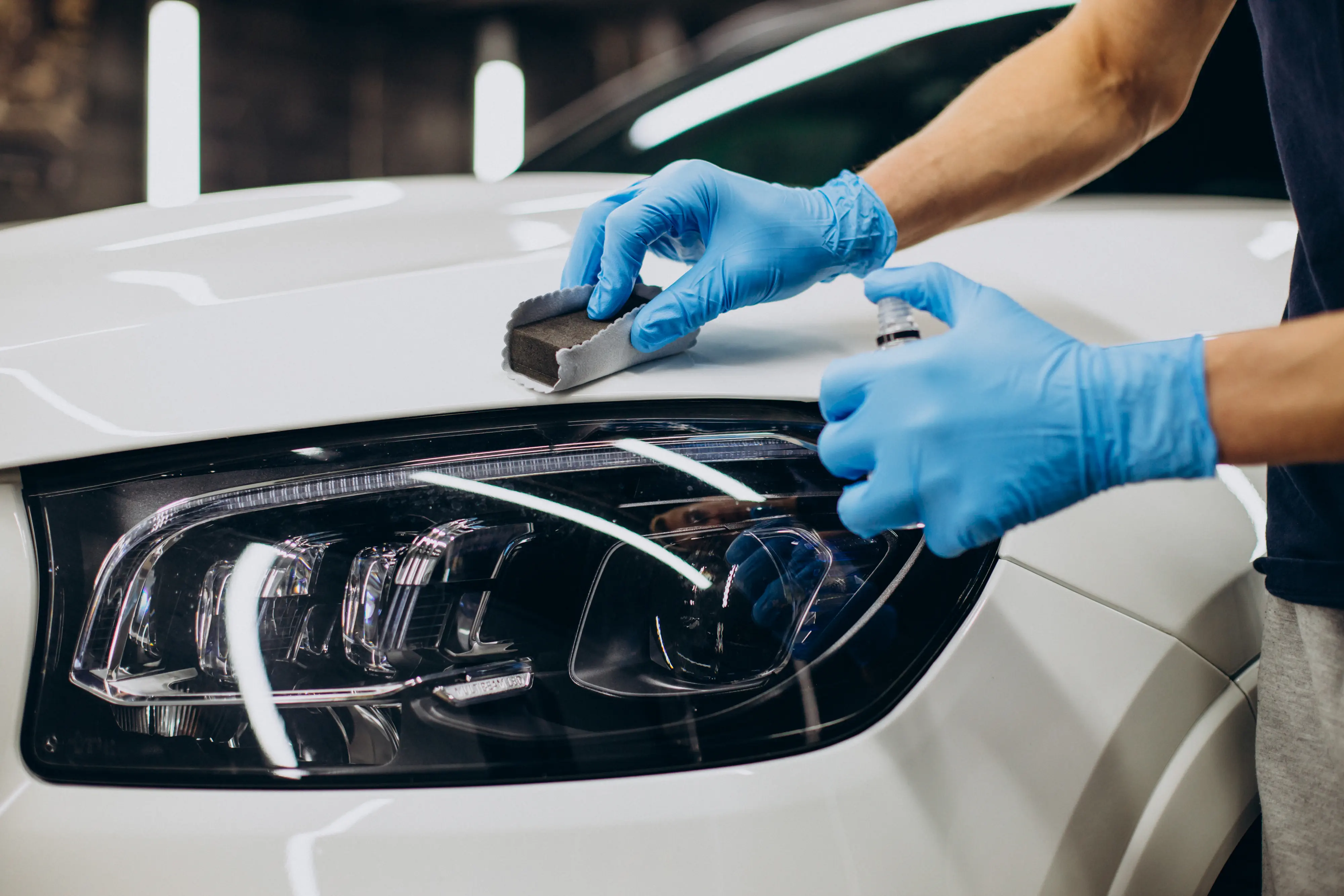
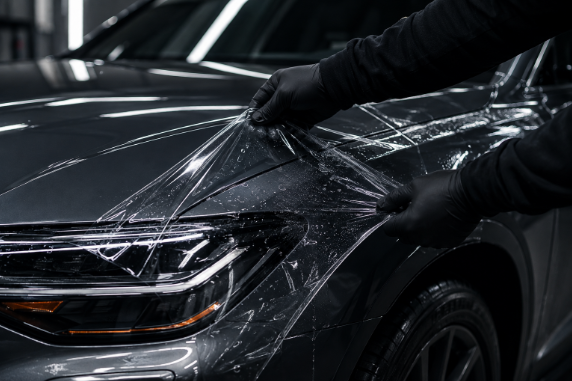
When searching for the ultimate car paint protection, car enthusiasts and daily drivers alike often want the best of both worlds: the heavy-duty physical defense of Paint Protection Film (PPF) and the glass-like gloss and hydrophobic slickness of a ceramic coating.
As a result, one of the most common technical questions asked in the auto detailing industry is: Can PPF be applied over ceramic coating?
The short answer is no—PPF should never be applied directly over an existing ceramic coating.
However, applying ceramic coating over ppf is the absolute gold standard in modern automotive care. Understanding the science behind film adhesion, surface tension, and coating chemistry is key to choosing the best paint protection combo for your vehicle. Here is an in-depth breakdown of how these technologies interact, what happens if you try to put PPF over ceramic, and how to properly stack them for maximum durability.
The Science: Why PPF Cannot Adhere to Ceramic Coating
To understand why putting ppf over ceramic coating fails, you have to examine how both products function at a microscopic level.
1. Extremely Low Surface Energy (Hydrophobicity)
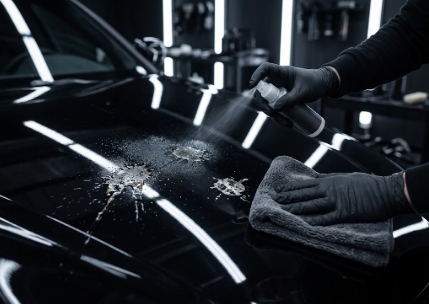
Ceramic coatings are engineered using Silicon Dioxide (SiO2) or Silicon Carbide (SiC) to create an ultra-smooth, slick barrier. This low surface energy causes water, oils, and contaminants to instantly bead up and roll off.
2. Failure of Pressure-Sensitive Adhesives (PSA)
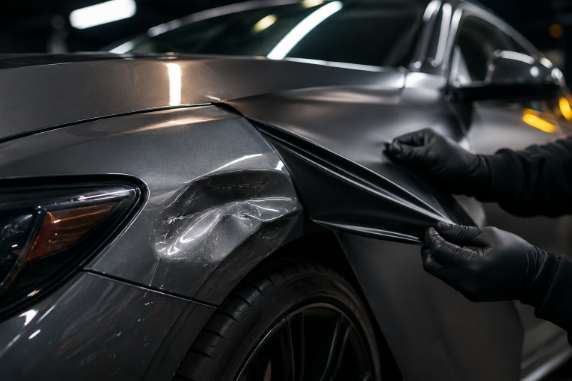
Paint Protection Film relies on an acrylic pressure-sensitive adhesive layer to form a permanent bond with a car’s factory clear coat. Factory clear coat has enough surface tension for the adhesive to grab firmly.
When you attempt an installation of ppf over ceramic coating, the film's adhesive cannot grip the slick, hydrophobic ceramic surface. This leads to immediate or gradual installation failure:
- Bubbling & Tunnels: Air and moisture get trapped underneath during installation.
- Lifting Edges: The edges around panel margins will refuse to stick and will peel up under wind pressure or washing.
- Film Delamination: Over time, highway vibration and temperature shifts cause the film to lift off completely.
The Correct Way: Ceramic Coating Over PPF
While PPF over ceramic is a recipe for failure, reversing the order creates the ultimate car paint protection system available today.
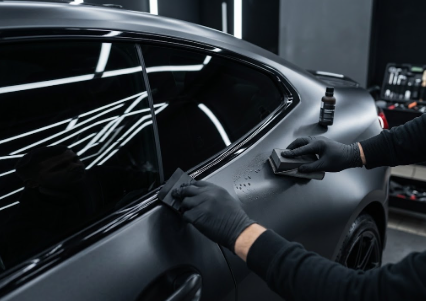
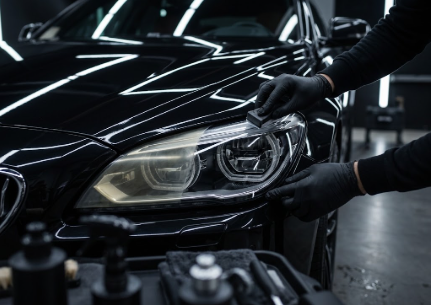
Installing a high-grade ceramic coating over ppf combines the physical strength of thermoplastic polyurethane (TPU) with the slick, self-cleaning benefits of nano-ceramic technology.
Benefits of Combining Clear Bra and Ceramic
When you pair clear bra and ceramic in the correct sequence, you gain distinct defensive layers:
- Physical Impact Defense: The underlying PPF absorbs kinetic energy from flying stones, highway gravel, and minor scuffs, keeping your factory clear coat unblemished.
- Enhanced Hydrophobic Self-Cleaning: The ceramic coating layered on top repels water, mud, and road grime, preventing dirty buildup on the film surface.
- Stain & Chemical Protection: Ceramic coatings shield the porous topcoat of the PPF against tough environmental contaminants like acidic bird droppings, bug splatter, tree sap, and road salt.
- Extended Film Lifespan: Adding a ceramic topcoat shields the PPF from UV radiation, preventing premature yellowing or oxidation of the film over time.
What If Your Vehicle Already Has Ceramic Coating?
If your car was previously treated with a ceramic coating and you now want to install PPF on high-impact areas (like the hood or front bumper), you must follow a proper ppf installation guide sequence:
- Chemical Decontamination: The vehicle is thoroughly washed and treated with iron removers to strip surface contaminants.
- Abrasion / Machine Polishing: Because ceramic coatings form a chemical bond with the clear coat, they cannot simply be washed off. Technicians must lightly machine-polish the specific panels receiving film to remove the ceramic coating and expose the raw clear coat.
- Solvent Wipe Down: An isopropyl alcohol (IPA) wipe ensures the surface is 100% free of polish oils or residual coating.
- PPF Installation: The film is applied directly to the bare clear coat for a permanent, bubble-free bond.
- Re-Applying Ceramic Coating: Once the film has cured, a coating formulated specifically for film (such as PPF-specific ceramic coatings) is applied across both the film and the remaining bare paint panels.
Brand Comparison: Ceramic Pro vs XPEL
When researching options to protect car paint chicago climate conditions demand, drivers frequently encounter top-tier industry brands: ceramic pro vs xpel.
- XPEL: Industry-renowned for market-leading self-healing PPF (such as XPEL ULTIMATE PLUS™) and precision-cut pattern software (DAP). XPEL also offers Fusion Plus™ ceramic coatings designed specifically to bond with film.
- Ceramic Pro: Globally famous for multi-layer nano-ceramic coating technology, as well as their Ceramic Pro KAVACA® Paint Protection Film, which features a factory-infused ceramic topcoat straight out of the box.
Both brands offer elite-grade protection. The key to a successful outcome lies not just in the brand name, but in choosing a certified installer who understands correct surface prep and layering sequences.
Expert Recommendations for Chicago Drivers
For drivers seeking maximum defense against harsh Midwest winters, salt brine, and flying highway gravel, professional auto detailing chicago specialists recommend the ultimate hybrid approach:
- Step 1: Install PPF on high-impact zones (Front Bumper, Full Hood, Front Fenders, Side Mirrors, and Rocker Panels) or the entire vehicle.
- Step 2: Layer a professional ceramic coating over the entire vehicle—covering both the PPF-protected panels and any exposed factory paint.
The Verdict
Can PPF go OVER Ceramic Coating? No. The film's adhesive will fail to bond with the slick hydrophobic ceramic surface, resulting in lifting edges and bubbles.
Can Ceramic Coating go OVER PPF? Yes! This is the gold standard best paint protection combo, providing bulletproof physical armor against rock chips combined with effortless hydrophobic maintenance.
By following the proper application order, you ensure your paint protection investment lasts for years without premature failure or lifting film.